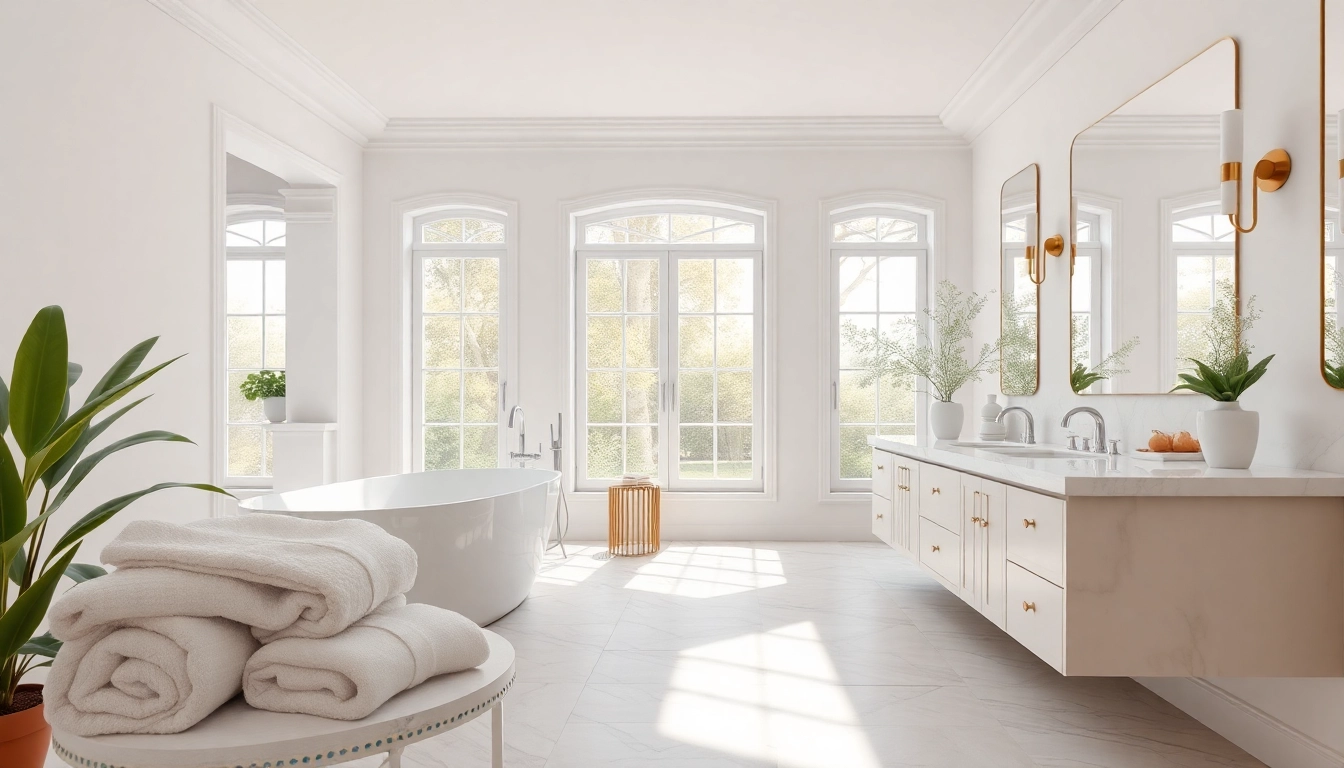

Understanding Shower Screen Door Options
When it comes to bathroom design, selecting the right shower screen door is crucial. It not only plays a functional role in keeping water contained but also impacts the overall aesthetic of your bathroom. With a variety of options available, understanding the differences and benefits of each type can help you make an informed decision.
Different Types of Shower Screen Doors
The market offers several styles of shower screen doors to cater to different preferences and bathroom layouts. Below are the most commonly available types:
- Bi-Fold Shower Doors: These space-saving doors fold inwards to provide easy access, making them ideal for smaller bathrooms.
- Sliding Shower Doors: Sliding doors glide on tracks and are perfect for corner enclosures, minimizing the need for clearance space.
- Hinged Shower Doors: Also known as pivot doors, these swing outwards and provide a wide entry, suitable for ample space.
- Curved Shower Doors: These are designed for rounded shower enclosures, providing a softer aesthetic while maximizing space.
- Frameless Shower Doors: Offering a sleek, contemporary look, frameless doors enhance the feeling of openness and make cleaning easier.
Benefits of Choosing a Shower Screen Door
Investing in a shower screen door brings multiple advantages to your bathroom:
- Aesthetic Appeal: A well-chosen shower screen door can transform the overall look of your bathroom, lending it a modern and luxurious feel.
- Enhanced Space Efficiency: Certain styles, like bi-fold or sliding doors, can effectively utilize limited space.
- Water Containment: Unlike shower curtains, shower screen doors provide a firm seal against water splashes, reducing cleanup time.
- Easy Accessibility: Options like hinged doors offer easy entry while maintaining a barrier against water.
- Low Maintenance: Glass shower screen doors are generally easy to clean and maintain compared to their fabric counterparts.
Key Design Considerations for Shower Screen Doors
When selecting a shower screen door, it’s important to consider the following aspects:
- Space: Measure your available space accurately to choose a door style that fits without obstructing other bathroom elements.
- Glass Thickness: Thicker glass (typically 10mm or more) is sturdier and provides better durability.
- Hardware Finish: Choose a finish that complements your bathroom décor, whether it’s polished chrome, brushed nickel, or matte black.
- Safety Features: Opt for tempered or laminated glass for added safety, as it is less likely to shatter.
- Water Resistance: Check for good sealing mechanisms to minimize water leaks and improve longevity.
Materials Used in Shower Screen Doors
The materials used in shower screen doors substantially influence their performance, safety, and aesthetic value. Understanding the different options can help you make a well-informed decision.
Glass Varieties: Tempered vs. Laminated
Two common types of glass used are tempered and laminated glass:
- Tempered Glass: This type is processed by heating and rapidly cooling, making it significantly stronger than regular glass. In the event of breakage, it crumbles into small, less harmful pieces, reducing the risk of injury.
- Laminated Glass: Laminated glass consists of two panes bonded together, with a layer of polyvinyl butyral (PVB) sandwiched between them. This type remains intact when shattered, offering superior safety and sound insulation.
Frame vs. Frameless Shower Screen Doors
The choice between framed and frameless shower screen doors impacts both style and maintenance:
- Framed Shower Doors: These doors feature metal frames that provide additional support and help contain the glass. They tend to be more affordable but may lack the sleek appearance of frameless designs.
- Frameless Shower Doors: Acting as a piece of art, these doors have a minimalist aesthetic that emphasizes the beauty of the glass. They are easier to clean, as there are fewer edges for soap scum and grime to accumulate, but may be more costly and require proper installation for safety.
Durability of Various Materials for Shower Screen Doors
Durability is a critical factor in your selection process. Consider the following materials:
- Glass: High-quality tempered glass is highly durable and resistant to temperature changes and impact.
- Aluminum Frames: These are lightweight and resistant to corrosion, making them suitable for humid bathroom environments.
- Stainless Steel Hardware: Stainless steel fixtures resist rust and corrosion, ensuring longevity.
Installation Process of Shower Screen Doors
Installing a shower screen door can be a rewarding DIY project, or it may require a professional touch, depending on your skill level. Understanding the installation process can help you gauge what option is best for you.
DIY vs. Professional Installation: What to Choose?
Choosing between DIY installation and hiring a professional involves weighing your skills, time, and budget:
- DIY Installation: If you have basic tiling and construction skills and are comfortable handling tools, installing a shower screen door can save you money. Online guides and videos can assist you through the process.
- Professional Installation: Hiring a professional guarantees a precise fit and proper sealing, ensuring longevity and functionality. If your bathroom has an irregular shape or if you prefer peace of mind, this route is advisable.
Preparation Steps for Installing a Shower Screen Door
Proper preparation can minimize installation problems:
- Measure Accurately: Measure the shower area to ensure proper fit and spacing for your selected door type.
- Choose the Right Tools: Gather necessary tools such as a drill, level, screwdrivers, and a tape measure.
- Check Shower Base Level: Verify that your shower base is level to avoid improper installation.
- Prepare the Area: Clean the installation area, removing debris to ensure a secure attachment.
Common Pitfalls During Installation
Like any project, certain mistakes can arise during shower screen door installation:
- Inaccurate Measurements: Double-check your measurements before cutting or installing, as inaccuracies can lead to the need for replacements.
- Poor Sealing: Inadequate sealing around edges can lead to leaks; using silicone sealant efficiently is crucial.
- Ignoring Leveling: Failing to ensure the base is level can affect door functionality and longevity. Always check with a level tool first.
Maintenance Tips for Shower Screen Doors
To prolong the lifespan and maintain the aesthetics of your shower screen door, regular maintenance is essential. Here are some practical tips:
Cleaning Techniques to Avoid Damage
Keeping your shower screen door clean is vital for maintaining its shine and functionality:
Use non-abrasive cleaners and soft cloths to avoid scratching the glass surface. A mixture of vinegar and baking soda makes for an effective and natural cleaner. Apply it gently, followed by rinsing with water, and then wipe dry to prevent water spots.
Preventing Mold and Mildew on Shower Screen Doors
Moist environments like bathrooms are prone to mold and mildew. To combat this, ensure proper ventilation during and after showers. Leave the shower door open and use an exhaust fan for at least 30 minutes post-shower.
Regular Maintenance Checks for Longevity
Conduct routine checks for wear and tear on seals, hinges, and tracks:
- Inspect Seals: Regularly check for cracks or deterioration and replace as necessary to maintain water containment.
- Lubricate Moving Parts: For sliding doors, apply a silicone spray to keep tracks functioning smoothly.
- Check for Glass Damage: Look for chips or cracks and address them immediately to avert safety issues.
FAQs About Shower Screen Doors
What is the average cost of a shower screen door?
The average cost can range from £100 to £800 depending on style and material.
Are shower screen doors easy to clean?
Yes, most shower screen doors are designed for easy cleaning, especially with regular maintenance.
Can I install a shower screen door myself?
Yes, DIY installation is possible, but professional installation ensures a perfect fit and sealing.
What types of glass are used in shower screen doors?
Tempered glass is commonly used due to its strength and safety features.
Do shower screen doors come with warranties?
Yes, many shower screen doors come with manufacturer warranties that can range from 1 to 10 years.