
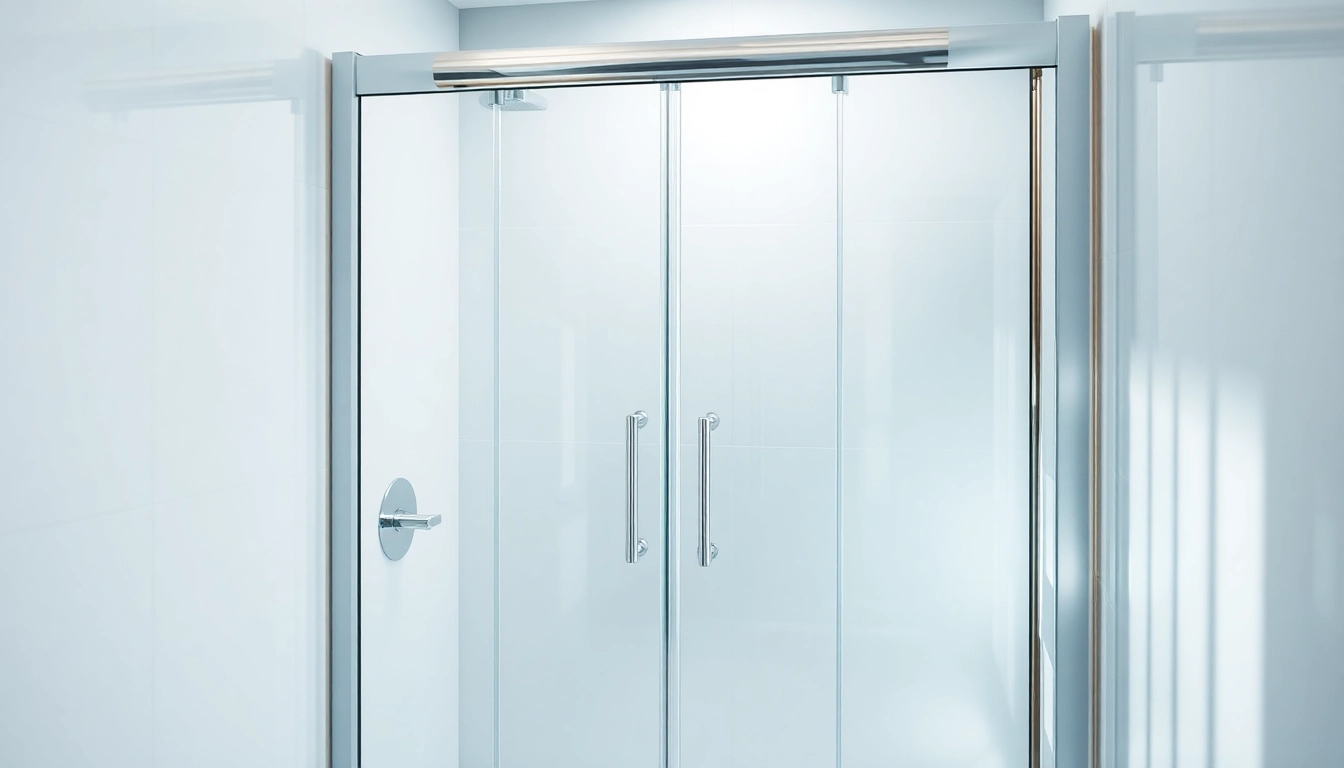
Understanding Shower Screen Doors
What are Shower Screen Doors?
A shower screen door is a barrier designed to keep water contained within the shower area, preventing it from splashing onto the bathroom floor. Typically made of glass or acrylic, these doors replace traditional shower curtains, offering a more modern and sleek aesthetic. They enhance visibility and create an illusion of space, allowing light to pass through, making them a preferred choice for many homeowners. You can explore a variety of options for your shower screen door to find the perfect fit for your bathroom.
Types of Shower Screen Door
Shower screen doors come in several types, each serving different spatial needs and design preferences:
- Hinged Shower Doors: These doors swing open like traditional doors and are ideal for larger shower areas. They require sufficient space to open and can create a luxury feel.
- Sliding Shower Doors: Perfect for compact bathrooms, sliding doors glide along a track, conserving space while still allowing easy entry and exit.
- Bi-Fold Shower Doors: These are similar to accordion-style doors that fold in on themselves, making them ideal for smaller bathrooms.
- Fixed Panel Shower Doors: Often installed alongside a shower wall, these stationary panels are perfect for modern designs and can be combined with hinged or sliding doors for enhanced functionality.
Benefits of Shower Screen Door
Choosing a shower screen door offers numerous advantages over traditional curtains or other barriers:
- Aesthetic Appeal: Shower screen doors provide a sleek, modern look, enhancing the overall aesthetic of your bathroom.
- Easy Maintenance: Unlike curtains that can harbor mold and mildew, glass doors are easy to clean, requiring only a simple wipe-down.
- Durability: Made from tempered glass or sturdy materials, shower screen doors are robust and designed to last, often with warranties backing their durability.
- Enhanced Lighting: Transparency allows more light into the shower space, creating an airy atmosphere.
- Cuts Water Splatter: A properly fitted shower screen door effectively contains water, reducing the risk of slippery floors outside the shower.
Choosing the Right Shower Screen Door
Factors to Consider
When selecting a shower screen door, several critical factors must be considered to ensure it complements both your space and lifestyle:
- Bathroom Size: Measure your shower space accurately to choose the right door type. Smaller spaces may benefit from sliding or bi-fold doors.
- Style and Design: Align the door’s design with the overall aesthetics of your bathroom, such as modern, classic, or minimalistic. Considerations include frame style, trim, and color.
- Accessibility: Ensure the chosen door allows for easy access, particularly for children, elderly individuals, or those with mobility challenges.
- Budget: Set a budget for your renovation and find a door that fits within those parameters while still meeting quality standards.
Common Materials Used
The material of your shower screen door contributes significantly to its functionality and appearance:
- Tempered Glass: Shatter-resistant and safer than regular glass, tempered glass is the most popular choice for shower doors due to its modern appeal and durability.
- Acrylic: This is a lightweight, shatter-resistant alternative to glass. While typically less expensive, acrylic can scratch more easily than glass.
- Framed vs. Frameless: Framed doors provide extra structural support, while frameless designs offer a more contemporary, minimalist look.
Style Compatibility with Your Bathroom
The shower screen door should not only be functional but also harmonize with the existing bathroom design. Consider the following styles:
- Contemporary: Clean lines and frameless glass complement modern fixtures and finishes.
- Traditional: Framed glass with intricate designs fits well in more classical spaces.
- Industrial: Consider black frames and utilitarian designs to match industrial-themed bathrooms.
- Minimalistic: Opt for clear, frameless glass doors that blend seamlessly into any color palette.
Installation of Shower Screen Door
DIY Installation Steps
Installing your shower screen door can be a rewarding DIY project if you have the right tools and follow these steps:
- Gather Your Tools: You will need a drill, measuring tape, level, screwdriver, caulk, and necessary mounting hardware.
- Measure Accurately: Measure the opening of your shower space to ensure the door fits properly.
- Install the Frame (if applicable): If your door has a frame, start by affixing it to the wall, leveling it as you go. Ensure it is securely fastened.
- Mount the Door: Attach the door panels to their tracks or hinges, making sure they operate smoothly.
- Seal Edges: Use caulk around the edges to prevent water leakage and ensure a waterproof seal.
- Final Inspection: Open and close the door several times to check functionality before using the shower.
Hiring a Professional vs. DIY
While DIY installation can save money, hiring a professional can guarantee quality results:
- Pros of DIY: Cost savings and personal satisfaction in completing a project. Suitable for hands-on individuals comfortable with tools.
- Cons of DIY: Potential mistakes could lead to leaks or damage, and time constraints may impede the project.
- Pros of Hiring a Professional: Expertise ensures correct installation and fewer issues down the line. Professionals are familiar with building codes and safety standards.
- Cons of Hiring a Professional: Higher upfront costs and reliance on someone else’s schedule.
Tools Required for Installation
For a successful shower screen door installation, have the following tools ready:
- Measuring tape
- Level
- Drill and drill bits
- Caulking gun and silicone caulk
- Screwdrivers (flat and Phillips)
- Pliers
- Safety glasses
Maintenance Tips for Shower Screen Door
Cleaning Techniques
To keep your shower screen door sparkling clean, follow these cleaning techniques:
- Use Non-Abrasive Cleaners: Avoid harsh chemicals that can scratch the surface. Opt for a mix of vinegar and water or specialized glass cleaners.
- Soft Cloths or Squeegees: Use a microfiber cloth or squeegee for best results, reducing streaks and residue.
- Frequency: Clean the glass at least once a week to prevent soap scum buildup.
Preventing Water Spots and Stains
Preventative measures can make your cleaning routine easier:
- Water Softener: Install a water softener to minimize minerals in the water, reducing spotting on the glass surface.
- Daily Squeegee Use: Squeegee the glass door after every shower to reduce soap and water buildup.
- Protective Coatings: Consider applying a protective treatment designed to repel water and prevent stains.
Maintenance Schedule
Establish a consistent maintenance schedule to prolong the life of your shower screen door:
- Weekly Cleaning: Regularly wipe down surfaces to prevent buildup.
- Monthly Inspections: Check for wear in seals and hinges, tightening or replacing components as needed.
- Annual Deep Clean: Perform a thorough cleaning and inspect the door’s installation and function.
Frequently Asked Questions
How do I choose the best shower screen door for my space?
Consider size, door type, and material compatibility with your bathroom style.
What maintenance is required for a shower screen door?
Regular cleaning with non-abrasive cleaners and occasional inspections for wear.
Can I install a shower screen door myself?
Yes, if you follow proper guidelines and have basic tools; however, hiring a pro ensures better results.
What styles of shower screen doors are available?
There are sliding, hinged, bi-fold, and fixed panel designs to choose from.
What materials are best for shower screen doors?
Tempered glass with metal frames is popular due to durability and aesthetic appeal.