
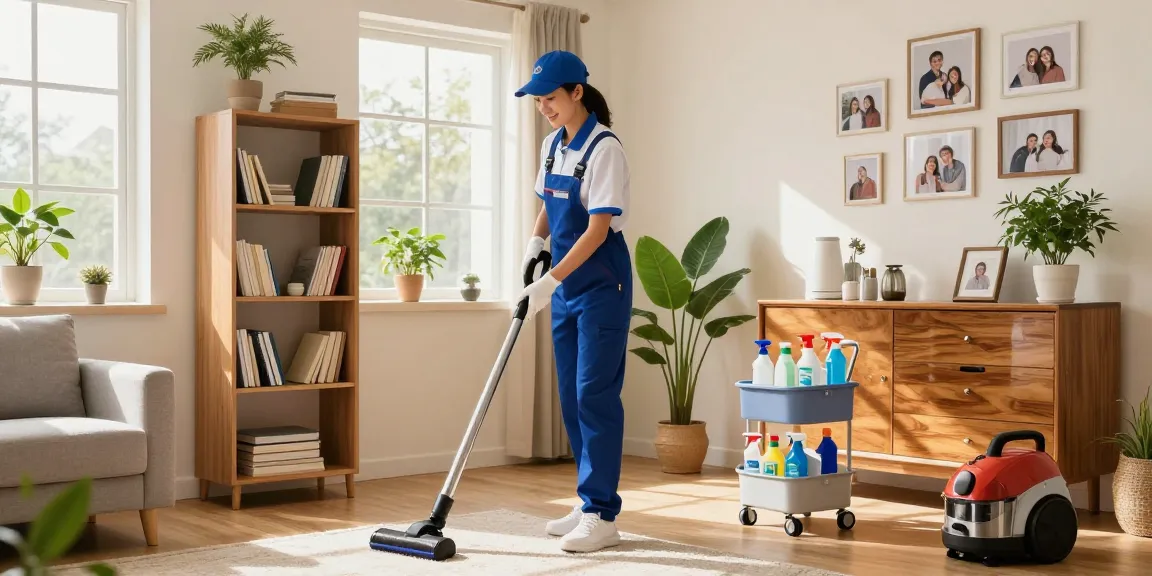
Understanding the Home Cleaning Industry Dynamics
The home cleaning industry has undergone significant transformation in recent years, influenced by evolving consumer preferences, technological advancements, and environmental awareness. As we look toward 2026, understanding these dynamics is crucial for cleaning service providers aiming to remain competitive. By analyzing current trends and adapting to consumer expectations, companies can not only enhance their service offerings but also improve customer satisfaction and retention. If you’re interested in gaining deeper insights into this evolving landscape, you can find more from our blog that explores these themes in detail.
Current Trends Shaping Home Cleaning Services
Several key trends are shaping the home cleaning industry today. One of the most significant is the increasing demand for eco-friendly cleaning solutions. As consumers become more environmentally conscious, they are seeking cleaning services that prioritize the use of green products and sustainable practices. This shift is not merely a trend but a fundamental change in consumer behavior driven by a collective desire for a healthier planet.
Technological advancements also play a crucial role in transforming how cleaning services operate. From automation tools that improve efficiency to the adoption of smart home technologies, these innovations enable service providers to offer superior customer experiences.
Consumer Preferences and Expectations in 2026
Looking ahead to 2026, consumer expectations are set to evolve further. Today’s customers are not merely looking for basic cleaning services; they want personalized solutions tailored to their unique needs. This shift towards customization means cleaning companies must enhance their offerings by understanding client preferences and delivering tailored services that exceed expectations.
Additionally, transparency and trust are becoming increasingly important. Consumers prefer companies that are open about their cleaning processes, product ingredients, and pricing structures. Service providers must foster this trust by maintaining clear communication and demonstrating their commitment to top-quality service.
Challenges Faced by Cleaning Service Providers
Despite the potential for growth, cleaning service providers encounter several challenges in this evolving landscape. Competition within the industry remains fierce, with a growing number of businesses entering the market. To stand out, companies must differentiate themselves through excellent service quality and innovative marketing strategies.
Moreover, workforce retention poses a significant challenge. The cleaning industry often faces high turnover rates, which can impact service quality and customer satisfaction. Companies must invest in training and employee well-being initiatives to create a more stable workforce.
Best Practices for Home Cleaning Companies
Effective Cleaning Techniques to Boost Efficiency
Efficiency is critical in the home cleaning industry, and implementing effective cleaning techniques can make a significant difference. Utilizing systematic cleaning methods, such as the zone cleaning approach, allows teams to work more efficiently by focusing on specific areas one at a time. This not only saves time but also reduces the likelihood of missing spots.
Additionally, companies should invest in the right equipment and supplies. High-quality tools can expedite the cleaning process and yield better results, enhancing overall customer satisfaction.
Utilizing Eco-Friendly Products: A Growing Demand
In response to the rising demand for eco-friendly products, cleaning companies should prioritize the use of non-toxic, biodegradable cleaning solutions. These products not only protect the environment but also ensure the safety and health of clients and their families. Many consumers are willing to pay a premium for services that utilize green practices, making this an area for potential growth.
Training Staff for Superior Customer Service
Customer service is a cornerstone of the home cleaning industry. Training staff to engage effectively with clients can enhance the customer experience and foster loyalty. Regular workshops on communication skills, conflict resolution, and cleanliness standards can empower employees to provide superior service.
Furthermore, encouraging feedback from clients can help companies refine their services. Proactively addressing concerns demonstrates a commitment to customer satisfaction and can lead to higher retention rates.
Marketing Strategies for Home Cleaning Businesses
Leveraging Digital Marketing for Growth
In today’s digital age, an effective online presence is essential for home cleaning businesses. Companies can leverage social media platforms to showcase their work, connect with potential clients, and build a community. Engaging with customers through informative content, such as cleaning tips and eco-friendly advice, positions the business as a trusted authority.
Pay-per-click advertising and search engine optimization (SEO) are also critical components of a successful digital marketing strategy. Investing in SEO ensures that cleaning services rank higher in search results, driving more organic traffic to their websites.
Building a Strong Brand Presence Online
Branding plays a vital role in distinguishing a cleaning service in a saturated market. Developing a strong brand identity—including a memorable logo, consistent messaging, and a compelling value proposition—can attract clients and foster brand loyalty.
Additionally, ensuring a professional website that is easy to navigate and mobile-friendly is crucial. A well-designed website serves as the first point of contact for many potential clients, making a strong impression necessary.
Utilizing Customer Reviews and Testimonials
Word-of-mouth remains one of the most powerful marketing tools in the cleaning industry. Encouraging satisfied customers to leave positive reviews can enhance a company’s reputation significantly. Features like customer testimonials on websites and social media platforms not only build credibility but also influence potential clients’ decisions.
Creating a referral program can further incentivize existing clients to recommend services, expanding the customer base effectively.
Technological Innovations in Home Cleaning
The Role of Automation in Cleaning Services
Automation is revolutionizing the cleaning industry. Robotic vacuum cleaners and automated scheduling systems are just a couple of examples of how technology can streamline operations. These innovations reduce labor costs and allow cleaning staff to focus on more complex tasks that require a human touch.
Smart Home Devices and Their Impact
With the rise of smart home devices, cleaning services have the opportunity to integrate their offerings with modern technology. For instance, services can coordinate cleaning schedules with clients’ smart home systems, ensuring homes are cleaned at convenient times. This level of service can significantly enhance customer satisfaction.
Utilizing CRM Systems for Customer Management
Customer Relationship Management (CRM) systems can help cleaning companies manage client interactions more effectively. By tracking customer data, preferences, and service history, businesses can personalize their approach, leading to improved service and client loyalty. The right CRM tools can also facilitate efficient appointment scheduling and billing processes.
Future Trends in Home Cleaning Services
Predictions for 2026 and Beyond
As we approach the latter half of the decade, several predictions shape the future of the home cleaning industry. Sustainability will continue to be a driving force, with consumers increasingly prioritizing eco-friendly services. Companies that embrace sustainable practices are likely to gain a competitive edge.
Additionally, the integration of artificial intelligence will provide opportunities for enhanced customer service and operational efficiency. AI-driven scheduling and customer interactions can lead to a more streamlined experience that caters to individual client needs.
Adapting to Changing Consumer Behaviors
As consumer behaviors evolve, cleaning companies must be agile. The trend towards remote work has shifted how people use their homes, increasing the demand for cleaning services that can accommodate flexible schedules. Companies that adapt to these changes by offering customizable plans will likely thrive.
Expanding Service Offerings for Added Value
To stand out in the crowded market, cleaning firms should consider expanding their service offerings. This could include additional services such as organizing, maintenance, or specialized cleaning for events. By providing a comprehensive range of services, companies can meet a broader spectrum of client needs.
What are the benefits of using professional cleaning services?
Professional cleaning services offer numerous benefits, including expertise, time savings, and customized cleaning plans. Many consumers find that outsourcing their cleaning needs not only frees up personal time but also provides peace of mind knowing that the job is being done by trained professionals.
How can I choose the right cleaning service for my home?
Choosing the right cleaning service involves researching options, reading reviews, and considering what specific services you require. It’s essential to communicate your expectations clearly and ask potential providers about their methods, products, and pricing policies.
What types of cleaning services are most in demand?
Services such as deep cleaning, move-in and move-out cleaning, and recurring cleaning visits are among the most sought-after. Additionally, as more consumers prioritize cleanliness and hygiene, the demand for sanitization services has surged.
How do eco-friendly cleaning products compare to traditional ones?
Eco-friendly cleaning products typically use non-toxic ingredients that are safe for both humans and pets, unlike many traditional cleaners that can contain harmful chemicals. While some eco-friendly products may require more effort to work effectively, advancements in formulations are closing this gap, making them a popular choice among consumers.
What are the key factors to consider when pricing cleaning services?
When pricing cleaning services, companies must consider labor costs, the complexity of tasks, time required, and overhead expenses. Additionally, understanding the local market and competitor pricing can help businesses position themselves effectively while ensuring profitability.