
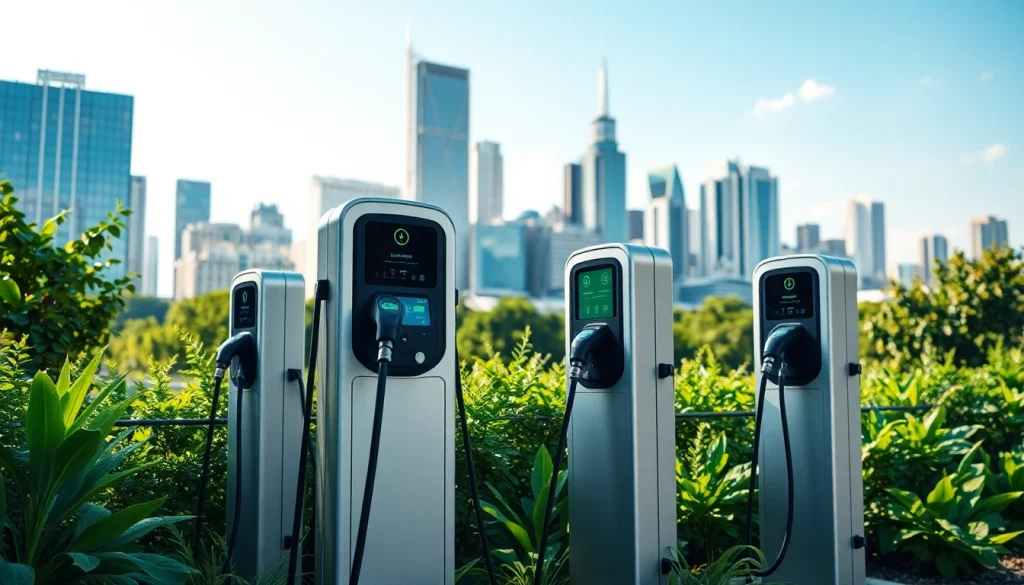
Understanding the EV Charger Solution
The transition to electric vehicles (EVs) is gaining momentum, making the need for accessible and efficient charging solutions more critical than ever. An EV charger solution is a comprehensive system designed to serve the charging needs of electric vehicles. It encompasses not just the hardware, like charging stations, but also the software and services related to installation, maintenance, and user accessibility. By offering customizable charging options, these solutions can fulfill the diverse requirements of individual users and commercial enterprises alike.
What is an EV Charger Solution?
An EV charger solution is defined as a system that enables the efficient charging of electric vehicles. This includes not only the physical charging stations installed in various settings—homes, offices, public spaces—but also the associated technologies that govern charging speeds, billing processes, and user interfaces. These solutions are integral to the ecosystem of electric mobility, facilitating not just energy delivery but also data communication for optimizing the charging experience.
Benefits of Using EV Charger Solution
Utilizing a well-designed EV charger solution presents myriad advantages:
- Convenience: Charging can occur at home or work, reducing reliance on public charging infrastructure.
- Cost Efficiency: Charging at home is often cheaper than using public stations. Access to smart charging options can further optimize energy costs.
- Environmental Impact: Many EV charger solutions integrate with renewable resources, contributing to a reduction in fossil fuel consumption.
- Incentives: Users may benefit from government incentives and tax credits for installing EV chargers.
- User-Friendliness: Modern EV chargers are equipped with smart features, allowing for easy monitoring and control via mobile applications.
Different Types of EV Charger Solutions Available
There are several types of EV chargers to cater to various needs:
- Level 1 Chargers: Utilizes standard home outlets; slower charging speeds typically sufficient for overnight use.
- Level 2 Chargers: Requires a dedicated outlet, providing faster charging speeds, ideal for residential and commercial situations.
- DC Fast Chargers: Available in public settings, offering rapid charging capabilities, useful for long-distance travel.
- Wireless Chargers: An emerging technology allowing for charging without direct cable connections, enhancing convenience.
Choosing the Right EV Charger Solution
Assessing Your Charging Needs
Determining the appropriate EV charger solution begins with assessing your specific charging needs. Consider factors such as:
- Daily Mileage: The number of miles driven each day will influence the type of charger needed.
- Type of Vehicle: Different EV models have varied battery capacities and charging requirements.
- Available Space: Assess the physical space for installation, ensuring accessibility without compromising convenience.
Key Features to Look for in an EV Charger Solution
When selecting an EV charger solution, prioritize the following features:
- Charging Speed: Evaluate the charger’s output rate, measured in kilowatts (kW), to suit your needs.
- Smart Functionality: Look for chargers that offer app connectivity for tracking usage and managing charging sessions remotely.
- Safety and Compliance: Ensure the charger meets industry safety standards to protect both the vehicle and users.
- Support and Warranty: Choose a solution with reliable customer support and a comprehensive warranty policy.
Cost Considerations for an EV Charger Solution
The cost of an EV charger solution can vary widely based on several factors, including:
- Installation Costs: Professional installation may incur additional expenses, particularly for Level 2 and DC fast chargers.
- Equipment Costs: Prices fluctuate based on the charger type, capabilities, and brand reputation.
- Operating Costs: Evaluate electricity rates and consider variable costs based on usage patterns.
- Incentives: Investigate local and federal incentives that may offset initial costs significantly.
Installation Process of EV Charger Solution
Preparing for Installation
Before installing an EV charger, prepare by following these steps:
- Electrical Assessment: Hire a licensed electrician to assess your electrical system’s capacity to handle the new charger.
- Permitting: Check with local regulations and obtain any necessary permits before installation.
- Site Selection: Choose a suitable location that ensures accessibility and minimizes cable trip hazards.
Steps to Install Your EV Charger Solution
The following steps outline a standard installation process:
- Shut off the power supply to the designated circuit.
- Mount the charger unit securely to the wall or a charging pedestal.
- Connect the charger to the electrical system following the manual’s specific wiring instructions.
- Restore power and test the installation before finalizing placement.
Post-Installation Considerations
After installation, ensure the following:
- Testing: Conduct thorough testing to ensure functionality and safety.
- Instructions: Familiarize yourself with the operation of the unit, focusing on any smart features.
- Regular Maintenance: Schedule regular maintenance checks to prolong the life of the charger.
Maintenance of Your EV Charger Solution
Regular Checks for Optimal Performance
To keep your EV charger solution in top condition, perform regular maintenance, including:
- Visual Inspections: Check for wear, corrosion, or damage to cables and connections.
- Software Updates: Install any firmware updates to ensure optimal performance and security.
- Cleaning: Keep the charging ports clean and free of debris to prevent connectivity issues.
Common Issues and Troubleshooting
Address common problems that may arise:
- Charging Failures: Verify the power supply and connections if charging fails consistently.
- Slow Charging: If the charger performs slower than expected, check for voltage drops or issues with the electrical system.
- App Connectivity Issues: Restart the charger or application if smart features are not functioning as intended.
Upgrading Your EV Charger Solution
As user needs evolve, consider upgrading your charger to a more advanced model. Factors to assess include:
- Increased Demand: If household or fleet vehicles increase, an upgrade may be necessary for efficient charging.
- New Technology: Explore chargers with enhanced features, such as faster charging speeds or additional smart functionalities.
- Renewable Energy Integration: Consider chargers that can integrate with solar panel systems for sustainable energy management.
Future of EV Chargers: Innovations and Trends
Emerging Technologies in EV Charger Solutions
The EV charger landscape is undergoing rapid transformation with several innovative trends:
- Ultra-Fast Charging: New chargers designed for ultra-fast charging are reducing downtime for drivers significantly.
- Vehicle-to-Grid Technology: Emerging standards enable EVs to send energy back to the grid, improving energy management.
- Integrative Charging Networks: Web-based platforms are providing seamless access to a variety of charging stations.
Integration with Smart Home Systems
More households are integrating their EV chargers with smart home systems. This capability allows for:
- Efficient Energy Use: Scheduling charging for off-peak hours can save money.
- Remote Monitoring: Users can monitor their charging status and energy consumption from their smartphones.
- Automated Settings: Home energy management systems can optimize the charging process based on energy production and consumption.
The Role of Renewable Energy in EV Charger Solutions
Renewable energy sources are becoming increasingly intertwined with EV charging. Possible advantages include:
- Eco-Friendly Charging: Harnessing solar or wind energy means greener charging practices.
- Cost-Reduction: Reduced utility bills for users who generate their energy.
- Grid Resilience: Integrated renewable energy sources during peak demand can alleviate stress on the grid.
FAQs on EV Charger Solutions
What is the lifespan of an EV charger?
The typical lifespan of an EV charger is around 10-15 years, though newer models may last longer with proper maintenance.
Are home EV chargers safe?
Yes, home EV chargers are safe when installed correctly by a licensed electrician and used according to the manufacturer’s instructions.
How can I reduce charging costs?
To lower charging costs, charge during off-peak hours, utilize smart charging features, and consider integrating renewable energy sources.
Can I install an EV charger myself?
While some users may attempt DIY installations, it’s recommended to hire a licensed electrician for safety and compliance reasons.
Do I need a special outlet for an EV charger?
Yes, most Level 2 chargers require a dedicated 240-volt outlet. However, Level 1 chargers can use standard household outlets.