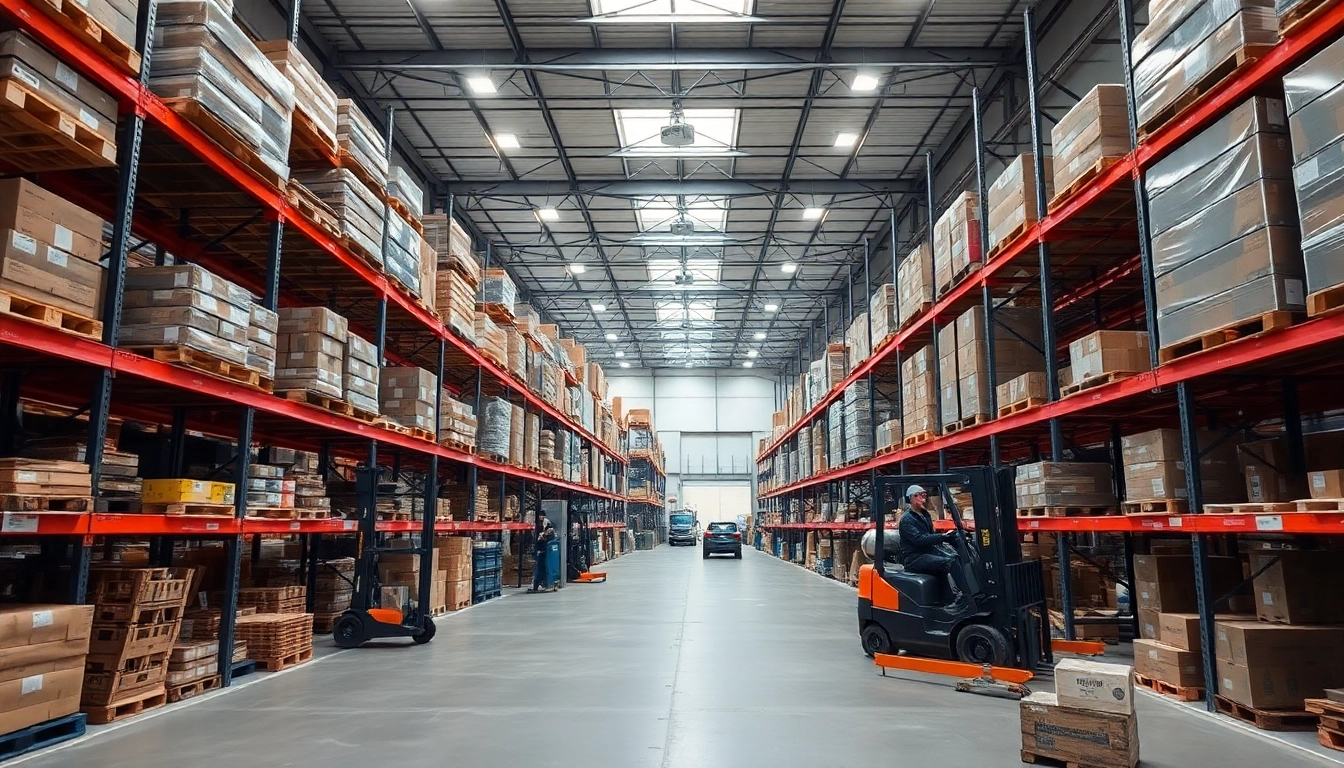
Understanding the Warehouse Concept
Definition and Purpose of a Warehouse
A warehouse is a large facility designed for the storage of goods. Primarily utilized by manufacturers, importers, exporters, wholesalers, and transport businesses, warehouses serve a critical role in the supply chain. They allow companies to store products that will eventually be distributed to retailers or directly to customers. The core purpose of a warehouse is not only to keep products safe until they are needed but also to streamline the process of distribution, managing fluctuations in supply and demand, while maintaining inventory control.
Types of Warehouses and Their Functions
Warehouses come in various forms, each tailored to meet specific business needs. Understanding these warehouse types is crucial for businesses aiming to optimize their storage solutions. Common types include:
- Public Warehouses: Operated as independent businesses, these warehouses are available for commercial use on a short- or long-term basis. They are often utilized by companies looking to avoid investments in their storage facilities.
- Private Warehouses: These are owned and operated by the business that stores its products. Companies often use private warehouses when they have sizable inventory levels and consistent storage needs.
- Distribution Centers: Designed for rapid shipment of goods, distribution centers focus on the distribution process rather than long-term storage. They play a vital role in e-commerce logistics.
- Cold Storage Warehouses: Essential for businesses dealing with perishable goods, these facilities are equipped with temperature controls to preserve items like food and pharmaceuticals.
- Automated Warehouses: Utilizing robotics and technology, automated warehouses help streamline the storage and retrieval processes, enhancing efficiency and reducing labor costs.
Key Components of Warehouse Operations
A successful warehouse operation comprises several critical components that work in harmony to ensure efficiency:
- Inventory Management: Proper inventory tracking and management systems help businesses maintain optimal stock levels and reduce excess storage costs.
- Storage Systems: The choice between shelving, racks, or pallets can significantly impact space utilization and retrieval efficiency.
- Material Handling Equipment: This includes forklifts, conveyor belts, and pallet jacks, enabling the efficient movement of goods within the warehouse.
- Workforce Management: The training, scheduling, and management of warehouse staff are crucial to maintaining productivity and safety.
- Technology Integration: Integrating management software and automated systems can lead to enhanced accuracy in inventory levels and overall operational efficiency.
Warehouse Layout and Its Importance
Designing an Efficient Warehouse Layout
The layout of a warehouse plays a significant role in operational efficiency. A well-planned layout maximizes storage space, streamlines workflows, and minimizes the time workers spend searching for and retrieving goods. Key considerations for designing an efficient warehouse layout include:
- Flow of Goods: Understanding the flow from receiving goods to shipping them out helps in organizing storage locations to minimize movement.
- Zoning: Different areas of the warehouse should be zoned based on the type of products and their turnover rate, ensuring high-demand items are easily accessible.
- Space Utilization: Techniques such as vertical storage can help create more room in limited spaces, utilizing height rather than floor space.
- Safety Considerations: Designs must comply with safety regulations to ensure a safe working environment, incorporating wide aisles for movement and clear signage.
Space Optimization Techniques in Warehousing
Space optimization is a priority in warehouses as it directly affects storage costs and operational efficiency. Techniques include:
- Dynamic Slotting: Reorganizing inventory based on current demand can lead to better space utilization.
- 5S Methodology: This lean management technique focuses on sorting, setting in order, shining, standardizing, and sustaining, which helps create an organized and efficient workspace.
- Modular Storage Systems: Using flexible shelving or racking systems allows for easy reconfiguration as inventory needs change.
Impact of Warehouse Layout on Productivity
The layout of a warehouse has a direct correlation with operational productivity. A thoughtfully designed warehouse can result in:
- Increased Efficiency: Streamlined pathways and well-organized storage reduce the time spent moving goods.
- Reduced Labor Costs: An optimized layout can result in fewer labor hours required to manage inventory, leading to cost savings.
- Improved Accuracy: A clear layout minimizes the chances of errors, enhancing order fulfillment accuracy.
Warehouse Technology Innovations
Modern Warehouse Management Systems (WMS)
Modern warehouses increasingly rely on advanced Warehouse Management Systems (WMS) to improve functionality. A WMS provides tools for tracking inventory levels, orders, sales, and deliveries. Key benefits include:
- Real-Time Data Access: WMS offers real-time tracking of goods, helping to maintain accuracy in stock levels.
- Enhanced Reporting: Activity reporting allows for better decision-making through data analysis, aiding in inventory forecasting.
- Increased Flexibility: A robust WMS can adapt to various warehouse operations, accommodating growth without extensive reconfiguration.
Automation and Robotics in Warehouses
Automation is transforming warehouse operations by incorporating robotics that can manage repetitive and labor-intensive tasks. Examples include:
- Automated Guided Vehicles (AGVs): These vehicles navigate the warehouse on predetermined paths to transport goods without human intervention.
- Robotic Picking Systems: Systems designed to automatically locate and pick items from shelves, enhancing speed and accuracy.
- Sortation Systems: Automated systems that can sort packages quickly and accurately, optimizing the shipping process.
Data Analytics for Warehouse Performance
Data analytics plays a crucial role in enhancing warehouse performance by providing insights into operational efficiencies. Companies can use data to:
- Identify Trends: Analytics can help identify seasonal trends in product sales, enabling better inventory planning.
- Improve Order Fulfillment: Examining order history can lead to more predictable shipping timelines and improved customer satisfaction.
- Enhance Supply Chain Visibility: Data analytics increases transparency throughout the supply chain, aiding in risk management.
Best Practices for Warehouse Operations
Inventory Management Techniques for Success
Effective inventory management is paramount in ensuring that warehouse operations run smoothly. Key techniques include:
- FIFO and LIFO Methods: First-In-First-Out (FIFO) and Last-In-First-Out (LIFO) are common inventory accounting methods that help businesses manage stock rotation effectively.
- Cycle Counting: A continuous auditing process that involves counting a portion of the inventory in rotation, allowing for regular inventory accuracy checks.
- ABC Analysis: Categorizing inventory based on importance and turnover rates helps prioritize management efforts on high-value items.
Health and Safety Protocols in the Warehouse
Safety is critical in warehouse environments. Implementing effective health and safety protocols can reduce workplace accidents and ensure compliance with regulations. Important practices include:
- Regular Training: Ongoing training programs for employees on safety procedures and equipment use are vital in preventing accidents.
- Safety Audits: Conducting regular audits helps identify potential hazards and ensures adherence to safety protocols.
- PPE Usage: Ensuring that employees wear appropriate personal protective equipment (PPE) at all times enhances safety in operations.
Staff Training and Development in Warehousing
Investing in staff training and development can lead to significant improvements in warehouse operations. Essential training strategies include:
- Onboarding Programs: Comprehensive onboarding for new hires helps acclimate them to warehouse practices and culture.
- Cross-Training: Cross-training employees in multiple roles enhances flexibility, ensuring operations continue smoothly in case of absences.
- Continuous Education: Offering ongoing education and certification opportunities keeps staff updated on best practices and technologies.
Challenges in Warehouse Management
Common Issues Faced by Warehouse Managers
Managing a warehouse comes with its set of challenges. Common issues include:
- Inventory Mismanagement: Poor inventory control can lead to excess inventory or stockouts, affecting customer satisfaction.
- Labor Shortages: A rapidly changing workforce demands effective recruitment and retention strategies to maintain productivity.
- Technology Integration: Implementing new technologies can be met with resistance from employees, creating obstacles to smooth transitions.
Solutions to Overcome Warehouse Challenges
To tackle these challenges, warehouse managers can implement several strategic solutions:
- Invest in Technology: Automation tools and management software can significantly reduce human error in inventory handling.
- Improve Employee Engagement: Strategies such as offering competitive compensation and fostering a positive work environment can enhance employee retention.
- Streamline Communication: Ensuring effective communication channels within teams can help resolve issues swiftly and maintain operational efficiency.
Metrics for Measuring Warehouse Efficiency
Measuring warehouse efficiency is essential for identifying areas of improvement. Critical metrics include:
- Order Accuracy Rate: This measures the percentage of orders shipped without error, directly impacting customer satisfaction.
- Inventory Turnover: A metric that indicates how often inventory is sold and replaced over a period, reflecting demand forecasting accuracy.
- Space Utilization Rate: This measures the amount of space used versus the total warehouse space available, indicating how effectively the space is being used.