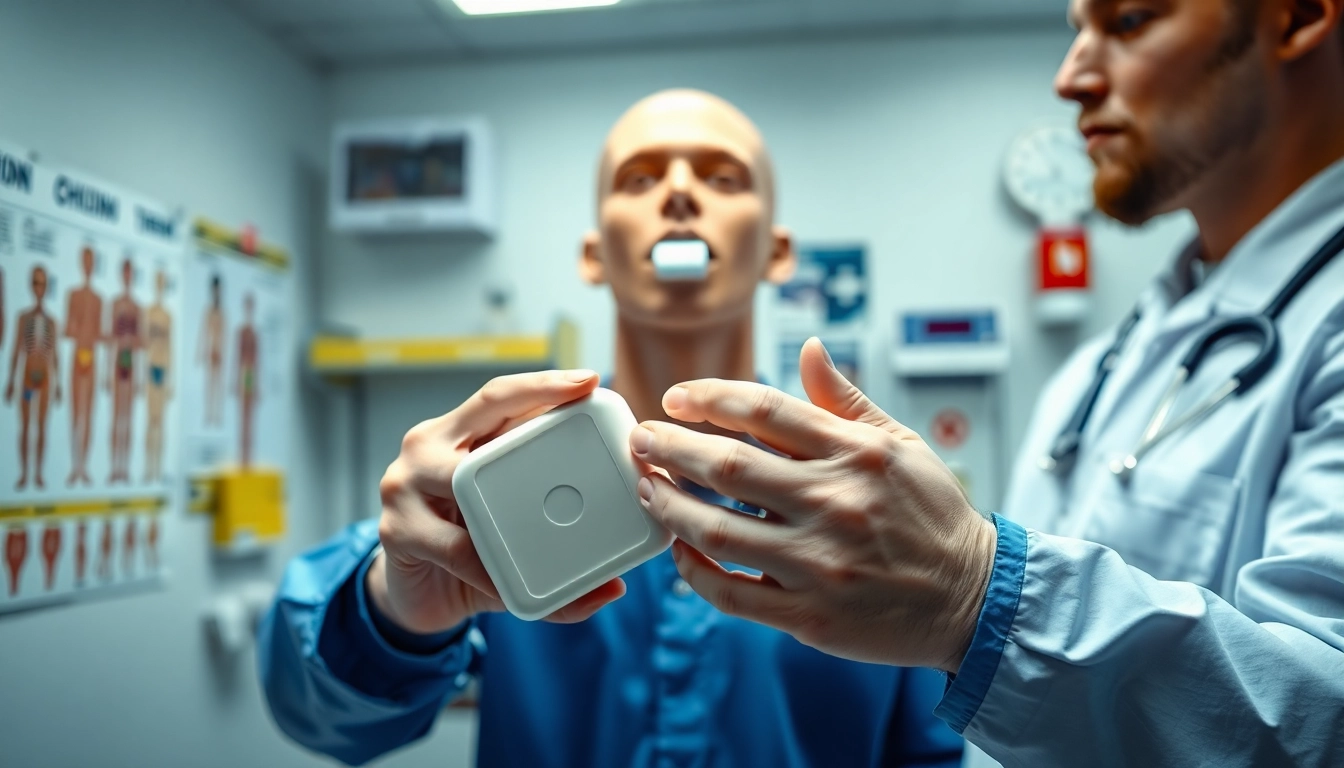
Understanding the Importance of Choking Devices
In an emergency, every second counts—especially when it comes to choking incidents. Choking can occur in various settings, from restaurants to homes, and having a reliable choking device on hand can mean the difference between life and death. These devices are designed to clear obstructions from the airway, ultimately providing critical support in moments when traditional interventions may not be sufficient.
What is a Choking Device?
A choking device is a medical apparatus designed to dislodge an object that is blocking a person's airway, thus preventing asphyxiation. These devices come in various forms, from simple hand pumps and suction tools to sophisticated automated systems that can be deployed by laypersons or trained professionals. The primary function of a choking device is instantaneous airway clearance, allowing the victim to breathe again.
Why Are Choking Devices Critical for Emergency Response?
The critical role of choking devices in emergency response cannot be overstated. When an individual begins to choke, they lose their ability to breathe, which can lead to unconsciousness and ultimately death if not addressed quickly. A choking device provides immediate intervention, facilitating airway clearance during those first crucial moments when every second counts. The presence of such devices in environments where choking incidents are likely—like kitchens, schools, or childcare facilities—can significantly reduce mortality rates and improve outcomes for victims.
Statistics on Choking Incidents and Interventions
Choking incidents are alarmingly common and can affect anyone, regardless of age. According to the National Safety Council, choking is the fourth leading cause of unintentional injury deaths in the United States, claiming the lives of approximately 5,000 people every year. This staggering statistic highlights the urgent need for comprehensive choking prevention and intervention strategies, including the widespread adoption of choking devices. Furthermore, studies suggest that effective intervention can reduce the severity of an incident; timely use of choking devices has led to a significant number of successful rescues.
Types of Choking Devices Available
Manual versus Automated Choking Devices
Choking devices can be divided into two primary categories: manual and automated devices. Manual choking devices typically require the physical intervention of a bystander or first responder, such as the Heimlich maneuver or handheld suction devices. In contrast, automated devices are designed to operate independently, requiring minimal training for use. These devices often feature sensors that detect obstruction and initiate clearance actions immediately, thereby reducing the burden on the rescuer and maximizing the chances of survival.
Key Features to Look for in a Choking Device
When selecting a choking device, consider crucial features that enhance performance and ease of use. Some of these features include:
- Ease of Use: The device should be simple to operate, even for individuals without medical training.
- Portability: Lightweight and compact designs allow for easy storage and transportation.
- Effectiveness: Look for devices with proven efficacy, backed by clinical studies or certifications.
- Durability: Quality materials ensure longevity and reliability in high-pressure situations.
- Maintenance Requirements: Select devices that require minimal maintenance without sacrificing performance.
Comparing Popular Choking Devices on the Market
Several choking devices currently on the market have gained recognition for their effectiveness and innovative features. Products such as the LifeVac and Dechoker are noteworthy examples, with user-friendly designs that allow for quick deployment. LifeVac, for instance, employs a one-way suction mechanism to clear the airway, while the Dechoker utilizes an adjustable silicon sleeve to create a seal and facilitate removal of obstructions. Each of these devices is subject to rigorous testing, but users should consider factors such as patient age, size, and device compatibility when making a choice.
How to Properly Use a Choking Device
Step-by-Step Guide for Effective Use
Knowing how to use a choking device effectively can save lives. Below is a step-by-step guide to ensure the correct application:
- Assess the Situation: Check if the victim is conscious and able to cough or speak. If they cannot, proceed with using the choking device.
- Position the Victim: For adults, stand behind them and wrap your arms around their torso. For children, place them in your lap or on a flat surface.
- Apply the Device: Follow the manufacturer's instructions to position the choking device correctly; ensure proper contact with the victim’s mouth and throat area.
- Activate the Device: Engage the choking device according to directions, keeping a firm grip while allowing the device to work.
- Monitor: Observe the victim closely for any improvement. If the obstruction is not cleared, you may need to repeat the process or switch to manual techniques.
Common Mistakes to Avoid When Using a Choking Device
Even with the right device, mistakes can happen that compromise effectiveness. Common errors include:
- Using the device without proper training or understanding of its functions.
- Failing to check the victim's responsiveness before deploying the device.
- Neglecting to follow the manufacturer’s guidelines.
- Forgetting to reposition the victim if the device is not effective on the first attempt.
Training and Certifications for Using Choking Devices
While many choking devices can be used by laypersons, training in proper usage is highly recommended. Several organizations offer certifications in basic life support (BLS), first aid, and choking response techniques. Completing a course ensures that users are not only familiar with specific devices but also develop critical assessment and intervention skills. These credentials can empower individuals to act quickly and efficiently in emergencies.
Best Practices for Maintaining Choking Devices
Regular Checks and Maintenance Tips
Proper maintenance of choking devices is essential to ensure their reliability when needed most. Best practices include:
- Routine Inspections: Check devices regularly for signs of wear or malfunction.
- Clean and Disinfect: Follow manufacturer guidelines for cleaning, especially if the device has been used or exposed to contaminants.
- Replace Worn Parts: Regularly refresh any components susceptible to wear, such as seals or filters.
Storage Solutions for Choking Devices
Storing choking devices properly maximizes their longevity and ensures they're ready to use in an emergency. Ideally, choking devices should be:
- Easily Accessible: Keep devices in designated areas that are clear and identifiable, such as first aid kits or medical cabinets.
- Protected from Domes: Store devices away from extreme temperatures or humidity that could compromise their integrity.
Updating Equipment based on Manufacturer Guidelines
Staying updated with the latest product manuals and guidelines from manufacturers is vital for maintaining effective choking devices. Follow recommended timelines for assessments and updates, as well as any changes in devices or technology that may enhance performance.
Implementing Choking Device Protocols in Organizations
Establishing Choking Awareness Programs
Organizations can significantly increase the safety of their environments by implementing choking awareness programs. Training sessions, informational brochures, and workshops can be utilized to educate staff and patrons about choking hazards and the importance of intervention. Awareness programs should include demonstrations of how to use choking devices properly, emphasizing readiness and the importance of immediate action during choking emergencies.
Integrating Choking Devices with Emergency Plans
Incorporating choking devices into existing emergency response plans is crucial. Organizations should conduct risk assessments to identify areas where choking incidents are likely to occur and ensure that choking devices are readily available in those locations. Emergency response drills should include scenarios involving choking to prepare personnel for real-life situations.
Evaluation Metrics for Choking Device Effectiveness
To continuously improve choking response protocols, organizations should establish evaluation metrics to assess the effectiveness of choking devices. Metrics may include:
- Response Time: Track the time taken to deploy a choking device in simulated scenarios.
- Outcome Assessment: Analyze the outcomes of choking incidents before and after implementing new protocols.
- User Feedback: Collect feedback from personnel regarding their experiences using choking devices during drills and real emergencies.
By adhering to these protocols and best practices, organizations can foster a culture of safety and preparedness, ultimately minimizing the risks associated with choking incidents.