
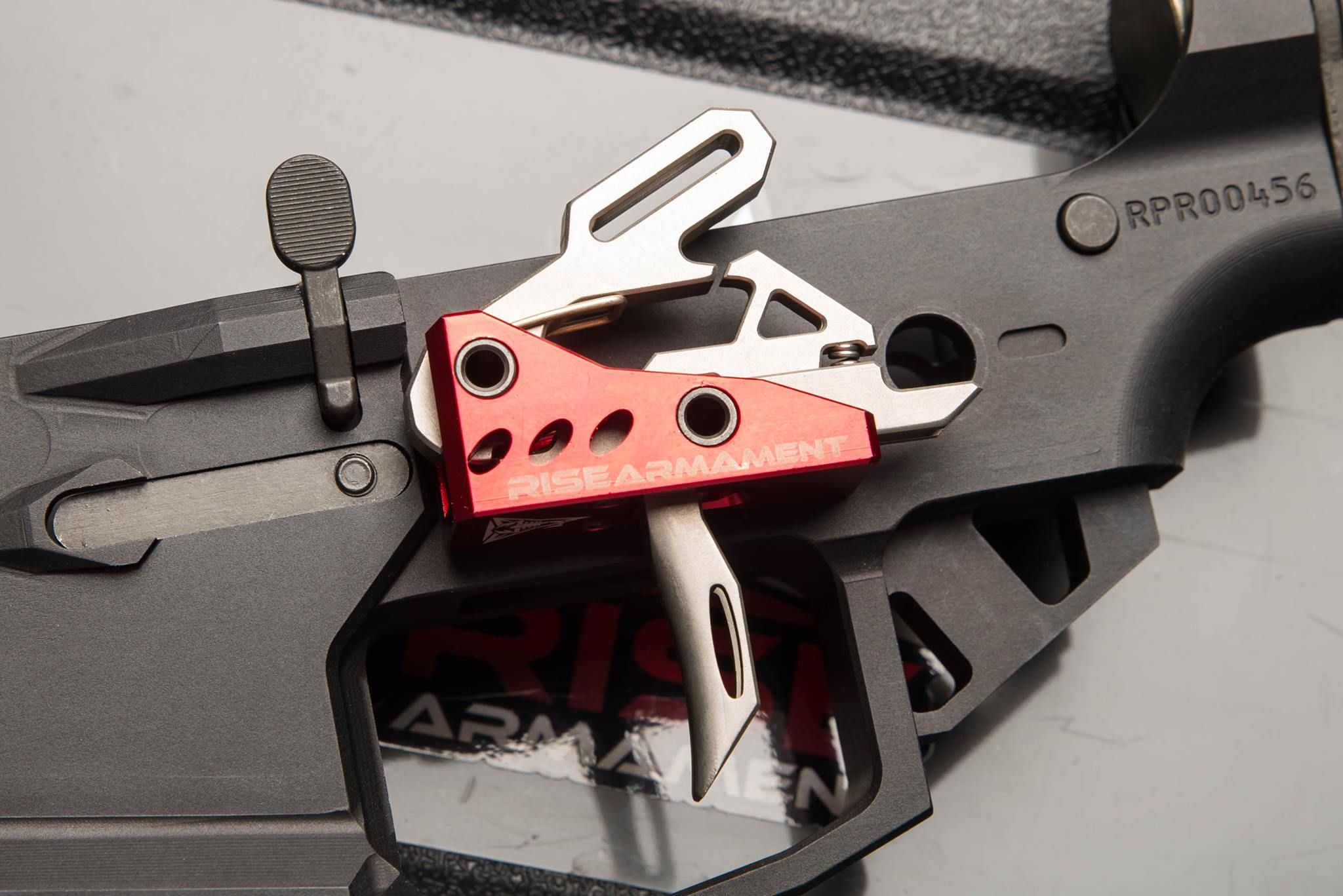
AR triggers have become an essential component for firearm enthusiasts and competitive shooters. Understanding how Ar triggers work and the science behind their smooth operation can significantly improve shooting performance. In this article, we will explore the mechanisms, benefits, and factors that contribute to smooth AR triggers, focusing on break, reset, and pull weight.
What Are AR Triggers?
AR triggers are specialized components installed in AR-15 rifles to control the firing mechanism. Unlike standard triggers, high-quality AR triggers are engineered for precision and consistency. The main goal of a smooth AR trigger is to provide a clean break, a predictable reset, and an optimal pull weight. These elements collectively enhance accuracy and reduce shooter fatigue.
The Importance of Break in AR Triggers
The “break” refers to the point at which the trigger releases the hammer or striker, firing the weapon. A crisp and clean break is crucial for precision shooting. With a smooth AR trigger, the break occurs without hesitation or creep, allowing the shooter to maintain consistent aim and control. Modern AR triggers use advanced materials and fine tolerances to ensure each shot has a uniform break, which directly impacts accuracy.
Understanding Trigger Reset
The reset is the point at which the trigger returns to its ready position after a shot, allowing the next round to be fired. A short and tactile reset is one of the hallmarks of a high-performance AR trigger. A smooth AR trigger will have a reset that can be felt clearly, reducing the time needed to prepare for follow-up shots. This feature is especially beneficial for competitive shooters who rely on speed and consistency.
Pull Weight and Its Effect on Performance
Pull weight refers to the amount of force required to engage the trigger and fire the weapon. AR triggers come in various pull weights, often ranging from 3 to 7 pounds. The optimal pull weight depends on the shooter’s preference and intended use. A lighter pull weight can improve precision by reducing trigger-induced movement, but it may require additional safety precautions. Conversely, a heavier pull weight provides more control in high-stress situations. Smooth AR triggers are engineered to maintain consistent pull weight, ensuring predictable performance.
Types of AR Triggers
There are several types of AR triggers, each designed for different purposes. Single-stage triggers provide a consistent pull from start to break, ideal for precision shooting. Two-stage triggers have an initial take-up followed by a secondary stage that fires the weapon, which can enhance control and accuracy. Drop-in triggers offer easy installation and uniform performance. Regardless of type, smooth AR triggers focus on optimizing break, reset, and pull weight to improve shooting efficiency.
How Material and Design Affect AR Triggers
The material and design of AR triggers play a critical role in performance. High-quality AR triggers are often made from stainless steel or aluminum alloys for durability and corrosion resistance. Polished surfaces and precise machining reduce friction, contributing to a smooth break and reset. Springs and pins are carefully engineered to maintain consistent pull weight over thousands of rounds. Investing in a well-designed AR trigger ensures long-lasting reliability and superior shooting experience.
Benefits of Smooth AR Triggers
Smooth AR triggers offer multiple benefits for shooters. They enhance accuracy by providing a predictable break, reduce shooter fatigue through a consistent pull weight, and improve follow-up shot speed with a tactile reset. Competitive shooters, law enforcement personnel, and recreational users all benefit from the performance advantages provided by smooth AR triggers. Additionally, these triggers can be customized to suit individual preferences, further enhancing shooting comfort and precision.
Maintenance and Care for AR Triggers
Proper maintenance is essential for preserving the performance of AR triggers. Regular cleaning and lubrication prevent dirt and debris from affecting the trigger’s break and reset. Inspecting springs and pins for wear ensures that the pull weight remains consistent. Many shooters also recommend periodic adjustments to fine-tune the trigger for personal preferences. By taking care of AR triggers, users can maintain smooth operation and extend the lifespan of their rifle.
Choosing the Right AR Trigger
Selecting the right AR trigger involves considering factors such as intended use, shooter experience, and personal preference. For precision shooting, a single-stage trigger with a light pull weight may be ideal. For tactical applications, a two-stage trigger with a slightly heavier pull weight can provide more control. Drop-in triggers offer convenience and reliable performance without extensive gunsmithing. No matter the choice, smooth AR triggers are engineered to optimize break, reset, and pull weight for superior shooting experience.
Conclusion
Understanding the science behind smooth AR triggers is essential for anyone looking to improve their shooting performance. Break, reset, and pull weight are the key elements that determine the functionality and effectiveness of an AR trigger. Investing in high-quality AR triggers and maintaining them properly ensures consistent performance, enhanced accuracy, and improved shooter comfort. Whether for competition, tactical use, or recreational shooting, smooth AR triggers are a valuable upgrade for any AR platform.