Introduction to Wineries in Clarksburg
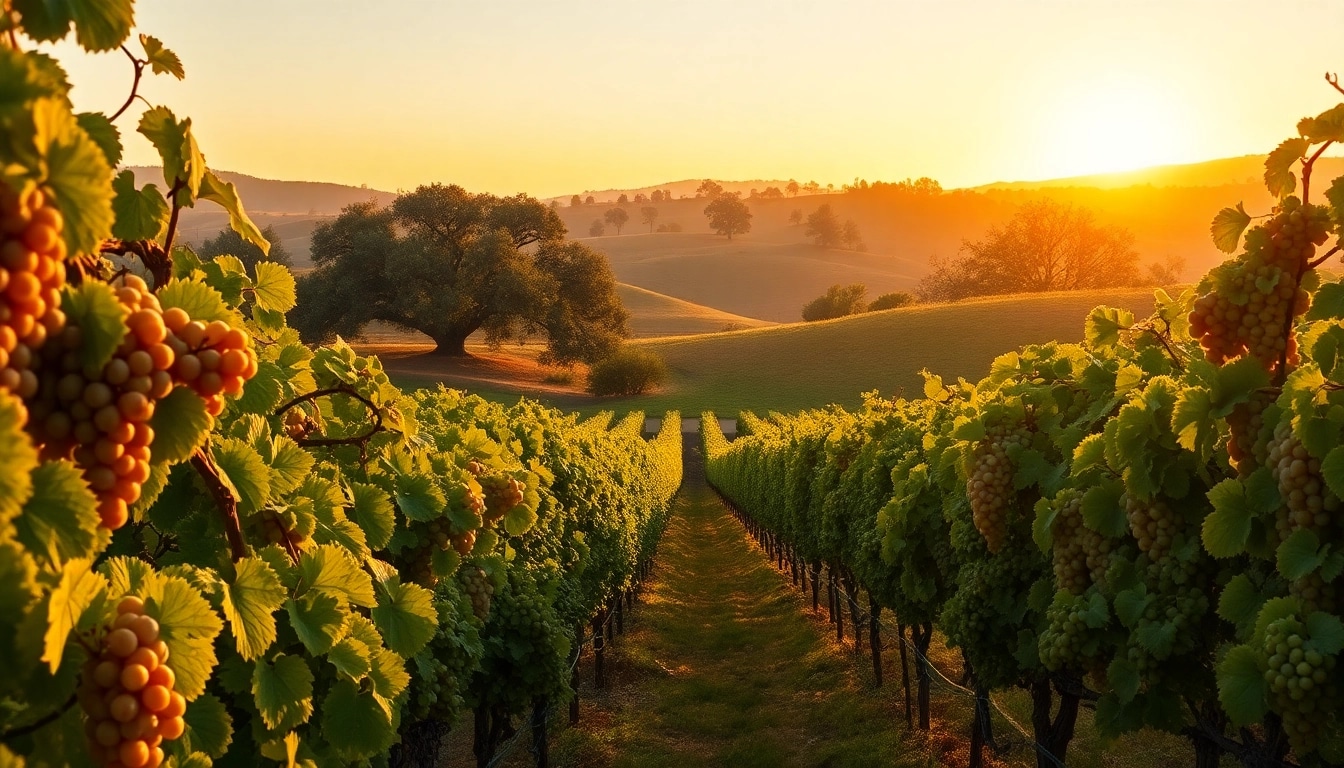
Clarksburg, a gem located in the Delta Wine Region of California, is rapidly becoming renowned for its vibrant winery scene. Nestled along the Sacramento River, the area's unique climate and soil create an ideal environment for viticulture, bringing to life a selection of exquisite wines that cater to diverse palates. This article serves as your comprehensive guide to the wineries in Clarksburg, exploring what makes them stand out and how to enjoy your visit.
Overview of Clarksburg's Wine Region
Clarksburg's wine region is characterized by a mild Mediterranean climate, abundant sunshine, and rich delta soils, making it an ideal location for grape cultivation. Home to several wineries, this small community boasts a range of varietals and blends that express the terroir of the region. The Clarksburg American Viticultural Area (AVA) was established to protect and promote the distinctiveness of the wines produced here, encouraging sustainable and quality-centric farming practices.
What's Unique About the Wineries in Clarksburg?
The wineries in Clarksburg are distinguished by their commitment to craftsmanship and a passion for celebrating local agriculture. Many of the wineries focus on small-batch production, allowing them to emphasize quality over quantity. This dedication to artisanal winemaking includes cultivating rare grape varietals that may not be found in more commercial wine regions, offering visitors the chance to savor truly unique selections. Furthermore, many wineries in Clarksburg incorporate local ingredients, elevating the overall tasting experience with food pairings that reflect the area's culinary heritage.
Types of Wines Produced in Clarksburg
The varied microclimates within the Clarksburg AVA allow for a remarkable diversity of wines to be produced. While traditional Cabernet Sauvignon and Chardonnay are popular, niche varietals like Albariño, Grenache, and Petit Verdot are also grown. This blend of familiar favorites alongside lesser-known grapes creates an exciting landscape for wine enthusiasts. The ability to experience such a wide range helps cement Clarksburg's status as a notable wine destination.
Exploring the Wineries in Clarksburg
How to Visit the Wineries
When planning a visit to the wineries in Clarksburg, there are several options to consider. Most vineyards offer tasting rooms where visitors can savor various wines. It’s advisable to check each winery’s schedule for operating hours, as many have limited days of operation or may require reservations for tastings. Guided tours can enhance your experience, providing insights into the winemaking process and the history of the area. Moreover, many tours include transportation, allowing you to enjoy tastings more freely.
Wine Tasting Experiences to Enjoy
Wine tastings are not merely about sampling; they are an immersive experience. Most wineries provide curated tastings that can include comparisons of different varietals as well as vertical tastings of the same wine across multiple vintages. Interactive elements such as self-guided vineyard tours, picnicking areas, and educational workshops on wine pairing or food sourcing add depth to the tasting experience. It is also unique to find limited-release wines that are only available at the source, enhancing the allure of your visit.
Seasonal Events at Local Wineries
Pairing Food with Wines from Clarksburg
The Best Local Dishes to Try
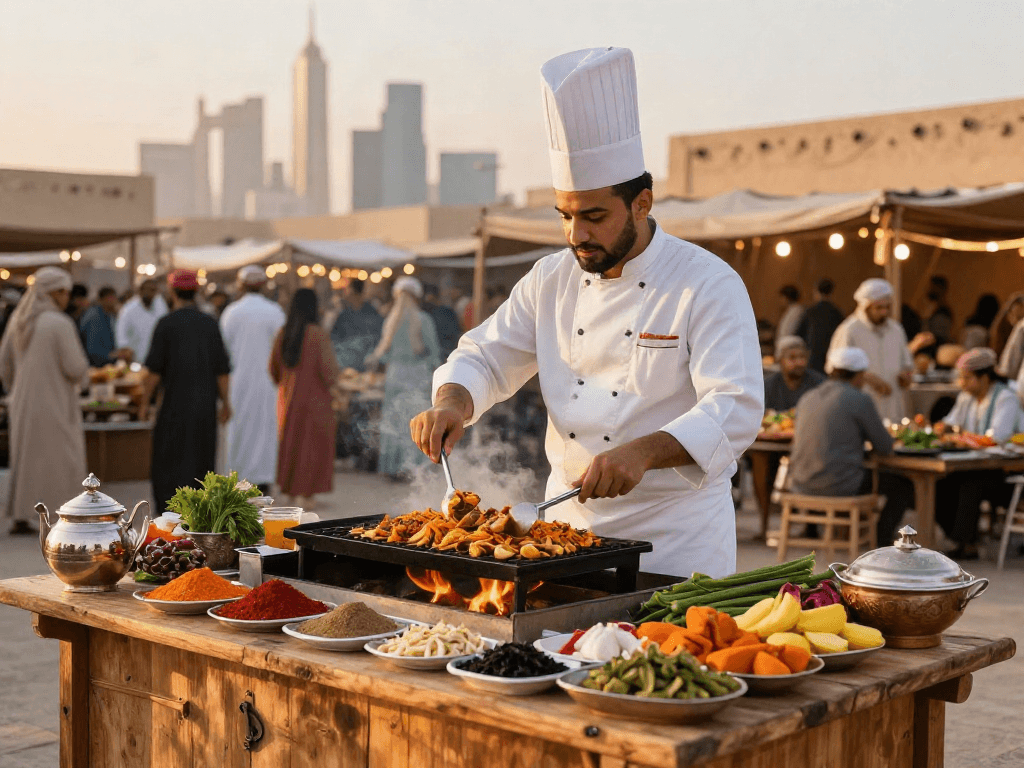
Food and wine pairing can elevate your tasting experience to new heights. Clarksburg is fortunate to have access to fresh, local ingredients that can complement its wines beautifully. Expect to find dishes that highlight local produce, freshwater fish, and artisanal cheeses. Signature pairings might include grilled salmon with a lightly oaked Chardonnay or stuffed peppers with a bold Zinfandel, showcasing the versatility of both the region's wines and culinary influences.
Tips for Perfect Wine and Food Pairing
The general rule for wine pairing is to match the body of the wine with the weight of the food. For instance, full-bodied red wines pair wonderfully with hearty meat dishes, while lighter white wines suit delicate seafood or chicken. Acidity and sweetness in wines can also be used strategically to balance the flavors in the food. It’s an art to experiment with diverse combinations, and the wineries often provide suggestions for pairings that are truly local and authentic to Clarksburg’s gastronomic scene.
Restaurants Near Wineries in Clarksburg
Alongside visiting the wineries, exploring nearby eateries can round out your wine tasting journey. Many local restaurants pride themselves on utilizing farm-to-table practices, showcasing seasonal menus crafted to complement the wines from the region. A few notable options include bistros that offer tasting menus based on local wineries, focusing on flavor harmony and adventurous dishes, which makes for a perfect end to a day of tasting. Make it a point to ask your hosts at the wineries for their favorite nearby dining spots as they can provide insider tips.
Wine Education: Learn About Clarksburg Varietals
Popular Grape Varieties Grown in Clarksburg
The diversity of grape varietals in Clarksburg allows for a variety of wines that cater to different palates. Noteworthy among these are Sauvignon Blanc and Petite Sirah, which thrive in the region's climate. Additionally, lesser-known varietals such as Tannat and Malvasia Bianca have found a home here, contributing to the uniqueness of Clarksburg’s wine offerings. Local growers can provide tasting notes and growing information to cultivate a deeper understanding of the aspects that make these wines exceptional.
Wine Making Process Explained
Understanding the winemaking process can greatly enhance your appreciation for the wines you taste. The journey from grape to glass involves several stages: harvesting, crushing, fermentation, aging, and bottling. Each stage can vary widely in techniques and tools used depending on the type of wine being produced. Many wineries in Clarksburg offer behind-the-scenes tours during which visitors can witness the winemaking process firsthand, providing a comprehensive overview of what goes into crafting each bottle.
Visiting Educational Wine Classes
For those looking to deepen their knowledge of wine, many wineries in Clarksburg offer classes and workshops on various topics including wine tasting, food pairing, and the science behind winemaking. These educational opportunities are designed for all levels, from novice to enthusiast. Participating in these classes can foster a greater appreciation for the meticulous care and artistry involved in winemaking while also allowing networking with fellow wine lovers.
Planning Your Trip to Wineries in Clarksburg
Best Times to Visit for Wine Enthusiasts
Timing your visit to the wineries in Clarksburg can greatly enhance your experience. The late summer and early fall months are usually considered peak times due to the grape harvest, which brings an exciting buzz to the region as many wineries host special events and tastings. However, spring is also a beautiful time to visit, as the vineyards bloom with flowers and the weather is pleasant for outdoor tastings.
Packing Essentials for a Winery Tour
When preparing for your Napa visit, consider packing a few essentials. Comfortable walking shoes are a must for exploring sprawling vineyards, while layered clothing will ensure you are prepared for varying temperatures throughout the day. A reusable water bottle helps to keep you hydrated, and don’t forget your camera to capture the breathtaking views of the vineyards and picturesque landscapes. Lastly, carrying a notebook can be helpful for jotting down tasting notes and general insights during your winery visits.
Staying Nearby: Accommodation Options
When planning your trip, consider your lodging options wisely. Clarksburg offers charming bed and breakfasts, boutique hotels, and rental properties that allow for a relaxing retreat after a full day of wine tasting. Staying in a local establishment not only supports community businesses but offers unique insights into the area from your hosts. Many accommodations may even provide shuttle services to nearby wineries, adding convenience to your experience.