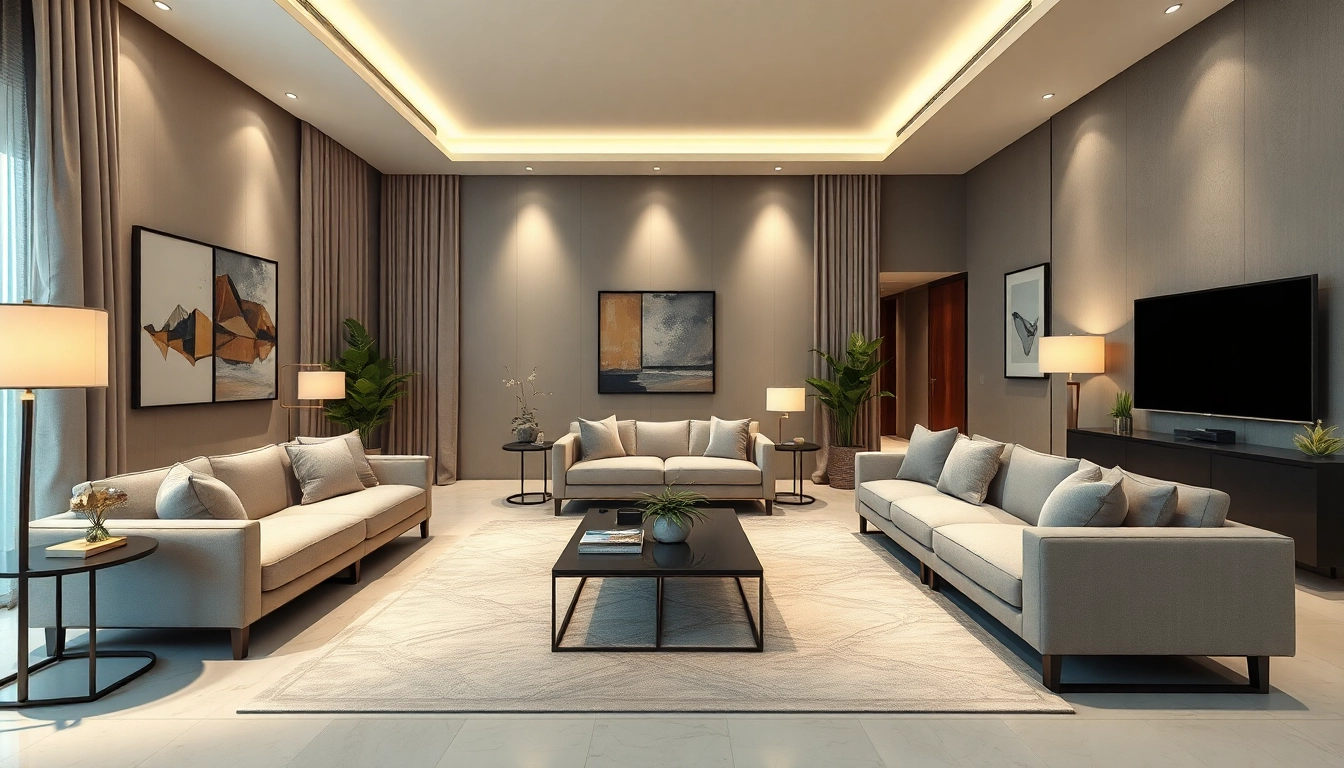

Introduction to Wellesley Tudor Expansion
The Wellesley Tudor Expansion project exemplifies the art of blending the time-honored elegance of Tudor architecture with modern living demands. Tudor homes evoke a rich history reminiscent of medieval Britain, characterized by unique structural elements and intricate craftsmanship. As homeowners seek to modernize these classic styles, it is essential to understand both the historical context and contemporary needs that inform successful expansions.
History of Tudor Architecture
Tudor architecture emerged during the late 15th century and flourished through the 16th century in England. It represents a phase of design that combined Gothic elements with the Renaissance’s new ideals. Notable features include steeply pitched gable roofs, decorative half-timbering, and tall, narrow windows with distinctive latticework. The revival of Tudor styles occurred in the late 19th and early 20th centuries, during which architects aimed to bring back its charm and richness. This architectural style has a lasting impact, creating a nostalgic appeal that continues to inspire homeowners today.
Key Features of Tudor Style Homes
The distinctiveness of Tudor homes can be identified through several key architectural features:
- Half-Timbering: Exposed wooden frameworks with infill materials, frequently seen on the upper levels.
- Chimneys: Prominent, often embellished with intricate brickwork and sometimes adorned with ornamental caps.
- Gabled Roofs: Steeply pitched roofs that contribute to the home’s vertical profile.
- Arched Doorways: Grand entrances that often integrate decorative stone work.
- Stained Glass Windows: Vibrant window panes that filter light beautifully and reflect artistry.
These features contribute to the warm and inviting essence that characterizes Tudor homes. Their rich visual language makes them an attractive option for homeowners looking to maintain historical integrity while still expanding their living space.
Importance of Expansion in Contemporary Design
In today’s world, the need for functional and versatile living space is paramount. Expansions allow older structures to adapt to modern lifestyles without sacrificing architectural integrity. For Tudor homes, a well-conceived expansion can provide additional bedrooms, office spaces, or even modern family rooms, while respecting the original aesthetics. This careful balance between retention and innovation not only enhances usability but also increases the property’s market value. Understanding how to execute these expansions effectively is crucial for any homeowner considering this journey.
Planning Your Wellesley Tudor Expansion
Understanding Local Regulations
Before embarking on any expansion project, it’s essential to familiarize oneself with local building codes, zoning laws, and historic preservation guidelines. Each locale has specific regulations that may impact your expansion, especially for homes recognized as historical landmarks. Consulting with local zoning offices or a qualified architect can help clarify requirements, ensuring compliance and avoiding future complications. It’s beneficial to engage with your community early in the planning stages to foster goodwill and insight.
Assessing Your Home’s Current Layout
A meticulous assessment of your home’s layout is vital for effective planning. Take note of areas that can be expanded without compromising structural integrity. Consider the flow and functionality of existing spaces, and identify potential areas for improvement. For instance, if the current kitchen layout feels cramped, think about a bump-out extension that maintains flow while creating a more open dining area. As you analyze your space, envision how an expansion can enhance both aesthetics and practicality.
Budgeting for Your Project
Budgeting is a critical aspect of planning any home expansion. Start by establishing a clear financial framework that includes potential construction costs, architectural fees, permits, and contingency funds for unexpected issues. According to industry insights, it’s prudent to allocate 10-20% of your total budget for unforeseen expenses. Engaging with contractors for multiple quotes can also provide a clearer picture of realistic costs. Understanding your financial limitations will keep the project on track and within scope.
Design Considerations for Wellesley Tudor Expansion
Maintaining Architectural Integrity
Preserving the original architectural integrity of Tudor homes during expansion is paramount. The new addition should harmoniously blend with the existing structure, making use of similar materials, colors, and construction techniques. For instance, using locally sourced timbers and matching brickwork can ensure a seamless aesthetic transition. Moreover, thoughtful design decisions regarding rooflines and window placements can further integrate modern additions while respecting historical context.
Modern Amenities in Historical Design
Incorporating modern amenities into a Tudor-style home is a delicate balance between innovation and tradition. Homeowners should consider integrating energy-efficient windows, updated electrical and plumbing systems, and smart home technology, all while maintaining original design cues. This approach allows for the introduction of conveniences that enhance everyday living without detracting from the home’s charm. For instance, installing underfloor heating can improve comfort while remaining unobtrusive from a visual standpoint.
Incorporating Sustainable Practices
Today’s homeowners are increasingly prioritizing sustainability in their expansion projects. Implementing eco-friendly practices such as energy-efficient insulation, solar panels, and responsible sourcing of materials can minimize the environmental impact. During the planning phase, consider the orientation of the addition to maximize natural light, which reduces dependence on artificial lighting. Utilizing reclaimed materials from the original structure not only maintains authenticity but also contributes to sustainability efforts.
Construction Process for Wellesley Tudor Expansion
Selecting Qualified Contractors
Choosing the right contractors is crucial for a successful expansion project. Look for professionals experienced in working with historic homes and knowledgeable about Tudor architecture. Conduct thorough interviews, request references, and review past projects to gauge their capabilities. A well-chosen contractor will not only execute the expansion accurately but can provide valuable insights on designs and potential pitfalls during construction.
Timeline and Project Management
Establishing a realistic timeline is key to maintaining momentum and meeting deadlines. The complexity of the project can dictate the timeframe, ranging from a few months to over a year. Regular communication with your contractor and utilizing project management tools can ensure tasks progress smoothly. It’s also beneficial to account for seasonal variations that may affect construction schedules, particularly in regions with harsh winters.
Common Challenges and Solutions
Throughout the expansion process, various challenges may arise, such as structural issues with the existing home, unexpected delays due to permits, or finding supplies. A proactive approach helps mitigate these obstacles. Conduct thorough pre-construction inspections to identify potential structural concerns early, and stay in close contact with local authorities to expedite the permitting process. Having contingency plans in place will allow for flexibility should challenges emerge.
Maximizing Value Post-Expansion
Enhancing Curb Appeal
Post-expansion, enhancing your home’s curb appeal can significantly boost its market value. Consider landscaping features such as gardens, pathways, and outdoor lighting that harmonize with the Tudor style. Fresh paint and meticulous maintenance of the home’s exterior can also elevate the overall aesthetic. Highlight architectural features, like decorative chimneys or unique gables, to draw attention to the home’s historical importance while celebrating its modern upgrades.
Interior Design Tips for Expanded Spaces
As you furnish your newly expanded spaces, aim for an interior design that complements the Tudor style while embracing contemporary trends. Select furnishings that echo traditional craftsmanship, such as wooden furniture with intricate designs. Opt for neutral color palettes that evoke warmth and nostalgia, with accents of rich, darker shades to add depth. Incorporate textured fabrics and artisanal decor to create spaces that are both inviting and visually rich.
Future-Proofing Your Investment
Ensuring your investment remains valuable long-term requires forward-thinking design choices. Focus on flexible spaces that can adapt to changing family needs or lifestyle shifts. For instance, create multifunctional rooms that can serve as home offices, playrooms, or guest accommodations. Prioritize durable materials and timeless designs that will withstand changing trends, ensuring the home remains appealing to future buyers.
Frequently Asked Questions
1. What are the key features of Tudor architecture?
Key features include steeply pitched roofs, decorative half-timbering, tall windows with latticework, prominent chimneys, and arched doorways that evoke historical charm.
2. How do I begin planning my expansion?
Start by assessing your current layout, understanding local regulations, and determining your budget. Then, conceptualize ideas that balance aesthetics with functionality.
3. How can I maintain architectural integrity during an expansion?
Use similar materials and styles to the existing structure. Pay attention to design elements like rooflines, window style, and color schemes for seamless integration.
4. What modern amenities can I include in a Tudor style home?
Incorporate energy-efficient windows, updated plumbing and electrical systems, and smart-home technologies that blend with the home’s historical features.
5. How can I enhance curb appeal after my expansion?
Enhance curb appeal by focusing on landscaping, maintaining the home’s exterior, and emphasizing architectural details to highlight both historical and modern aspects.