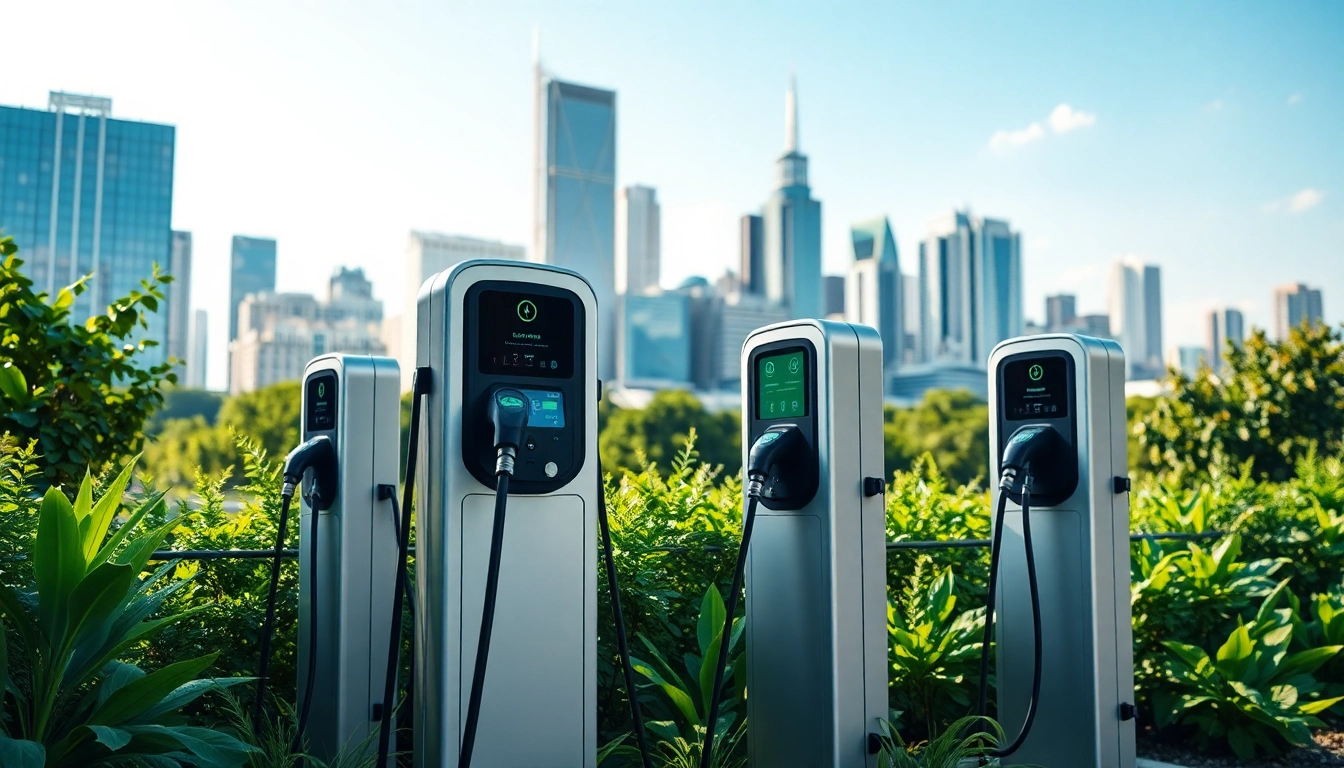
Understanding the Basics of EV Charger Solution
What is an EV Charger Solution?
An EV charger solution is a comprehensive system designed to facilitate the charging of electric vehicles (EVs). These solutions encompass various types of hardware, software, and services that cater to the charging needs of electric vehicles. It includes components such as charging stations, networking capabilities for remote management, and payment systems that promote usability for consumers and businesses alike.
Types of EV Charger Solutions Available
EV charger solutions can be categorized into several types based on their power output and usage scenarios:
- Level 1 Chargers: These are standard household outlets providing the slowest charging rates, suitable for overnight charging at home.
- Level 2 Chargers: These are more powerful units typically found at public charging stations or workplaces, offering a good balance between charging speed and installation complexity.
- DC Fast Chargers: Ideal for high-traffic areas, these chargers provide rapid charging capabilities, significantly reducing the time vehicle owners spend charging.
- Wireless Chargers: A newer innovation, these chargers offer the convenience of charging without a physical connection, using electromagnetic fields.
Key Components of an EV Charger Solution
An effective EV charger solution integrates several components to deliver a comprehensive service:
- Charging Station: The physical structure that connects to the EV. These can be installed at residential, commercial, or public locations.
- Power Supply: Ensures a steady flow of electricity to the charging station, with options that support different voltage and amperage levels.
- Management Software: Often cloud-based, allowing for data collection, monitoring of usage patterns, and remote management capabilities.
- Payment Systems: Facilitates billing and payment processes for users, especially in commercial settings.
Benefits of Implementing EV Charger Solution
Environmental Impact and Sustainability
Adopting EV charger solutions significantly contributes to environmental sustainability. By facilitating the use of electric vehicles, these solutions promote reduced emissions from internal combustion engines. As the utility grid increasingly incorporates renewable energy sources such as wind and solar power, the lifecycle emissions associated with electric vehicle charging can be minimal, further enhancing their positive impact on the environment.
Cost-Effectiveness and Energy Savings
Investing in an EV charger solution can lead to substantial cost savings over time. Businesses can benefit from reduced fuel costs associated with electric vehicles, especially with the rising price of traditional fuels. Furthermore, electric vehicles can qualify for various incentives, rebates, and tax credits offered by governments aiming to promote cleaner transportation solutions.
Enhancing Convenience for Users
Having an EV charger solution readily available enhances convenience for users. With widespread deployment of public charging infrastructure, EV users can charge their vehicles wherever they go—whether at home, work, or during travel. This alleviates range anxiety, encouraging more users to transition to electric vehicles.
Challenges in Deploying EV Charger Solution
Infrastructure Limitations and Upgrades
A significant challenge in deploying EV charger solutions is the existing electrical infrastructure. Many older buildings may require upgrades to support the additional load from EV chargers. This can involve substantial investments and planning, particularly in urban areas with dense population and infrastructure constraints.
Regulatory and Permitting Hurdles
The regulatory environment surrounding the installation of EV chargers can be complex, varying significantly by locality. Common requirements include obtaining permits and ensuring compliance with zoning laws, which can delay installation and increase costs. Engaging with local authorities early in the planning process can help mitigate these issues.
User Adoption and Awareness
Despite the growing popularity of electric vehicles, many users remain unaware of the benefits and availability of EV charger solutions. Educational initiatives, marketing outreach, and clear signage at charging locations can help foster greater awareness and acceptance among potential users.
How to Choose the Right EV Charger Solution
Assessing Your Charging Needs
Choosing the right EV charger solution begins with an assessment of your specific charging needs. Consider factors such as the number of vehicles to be charged, the typical charging duration, and the availability of electrical capacity at your site. For businesses, understanding employee and customer usage patterns is critical for selecting appropriate equipment.
Evaluating Installation Requirements
Installation requirements vary based on the type of charger selected. Level 1 chargers may need less electrical work than Level 2 or DC Fast Chargers, which often require professional installation. It’s crucial to consult with licensed electricians and the utility provider to determine the best options.
Understanding Costs and Financing Options
The cost of EV charger solutions can range significantly based on equipment pricing, installation, and ongoing maintenance. Additionally, consider financing options available through state incentives, federal grants, and utility programs designed to promote EV adoption. Proper financial planning can optimize your investment and enhance returns.
Future Trends in EV Charger Solution Development
Technological Innovations on the Horizon
The future of EV charger solutions is poised for significant advancements driven by technology. Innovations such as smart chargers, which optimize energy usage based on grid demands, and advancements in battery technology that provide faster charging times are on the horizon. These developments are set to increase the efficiency and user-friendliness of charging solutions.
The Role of Renewable Energy Sources
Integrating renewable energy sources into EV charging infrastructure is a trend gaining momentum. Charging stations equipped with solar panels can generate power on-site, reducing dependency on the grid and further lowering emissions associated with charging. This not only promotes sustainability but also offers potential cost savings in energy expenses.
Shaping the Future of Urban Mobility
As cities evolve to accommodate electric vehicles, the role of EV chargers in urban mobility will expand. Planning for convenient, accessible charging solutions will become increasingly important in city designs, influencing urban development policies and fostering a culture of sustainability in communities.
Frequently Asked Questions
1. What does it cost to install an EV charging station?
The installation cost varies widely, typically ranging from $300 to $7500 depending on the type of charger, electrical work needed, and local installation rates.
2. Can I install an EV charger at home?
Yes, most homeowners can install an EV charger in their garage or driveway, but it’s essential to consult with a licensed electrician to ensure compliance with local regulations.
3. How long does it take to charge an electric vehicle?
Charging time varies based on the charger type; Level 1 can take 8-20 hours, Level 2 usually takes 4-8 hours, while DC Fast Chargers can charge vehicles in 30 minutes or less.
4. Are there incentives for installing EV chargers?
Yes, many states and local governments offer financial incentives, rebates, and tax credits to encourage the installation of EV charging infrastructure.
5. What factors affect the choice of an EV charger?
Considerations include charger type, installation requirements, your specific charging needs, budget, and available incentives or financing options tailored to your location.