Understanding Vapor Barrier Installation
What is a Vapor Barrier?
A vapor barrier is a material that inhibits the movement of moisture through walls, ceilings, and floors. It is typically made from polyethylene plastic sheeting, foil, or other non-permeable materials. By creating a barrier that prevents moisture from permeating through the structure, vapor barriers help maintain a dry interior environment in homes, particularly in areas susceptible to high humidity, such as crawl spaces and basements.
Importance of Vapor Barrier Installation
Vapor barrier installation plays a crucial role in protecting your home from moisture-related problems. Excess moisture can lead to structural damage, mold growth, and pest infestations, all of which could compromise your home's integrity and safety. By effectively reducing humidity levels, a vapor barrier not only preserves the condition of your property but also enhances indoor air quality, making your home a healthier place to live.
Common Materials Used
Common materials for vapor barriers include high-density polyethylene (HDPE), reinforced polyethylene, and laminated materials. These materials are designed to withstand moisture and provide a durable solution for preventing dampness. When selecting a vapor barrier, the thickness, durability, and impermeability of the material should be carefully assessed to ensure optimal performance.
Preparation for Vapor Barrier Installation
Assessing Your Crawl Space
The first step in vapor barrier installation is thoroughly assessing your crawl space. Look for signs of moisture, such as water stains, mold, or damp spots on the soil or walls. Additionally, check the ventilation in the crawl space. Inadequate ventilation can significantly contribute to moisture issues. Take measurements of the crawl space to determine how much vapor barrier material will be needed, ensuring you have enough to cover the entire area.
Choosing the Right Materials
Choosing the right materials for your vapor barrier is essential for effective moisture control. Consider high-density polyethylene for its durability and resistance to wear and tear, or reinforced polyethylene for areas that may experience more stress. Look for materials that are at least 6 mils thick for adequate protection against moisture intrusion.
Essential Tools Needed
Before starting the installation, gather all necessary tools to ensure a smooth process. Essential tools include:
- Utility knife
- Measuring tape
- Stapler and staples
- Duct tape (preferably puncture-resistant)
- Rake or shovel (for clearing debris)
- Gloves and safety goggles
Step-by-Step Guide to Vapor Barrier Installation
Clearing the Crawl Space
Once you have assessed the crawl space, begin by clearing any debris, rocks, or vegetation that may interfere with the installation. This step is crucial as it ensures that the vapor barrier lies flat against the ground without any obstructions. If standing water is present, it must be addressed prior to installation; consider using a sump pump or drainage system as necessary.
Laying Down the Vapor Barrier
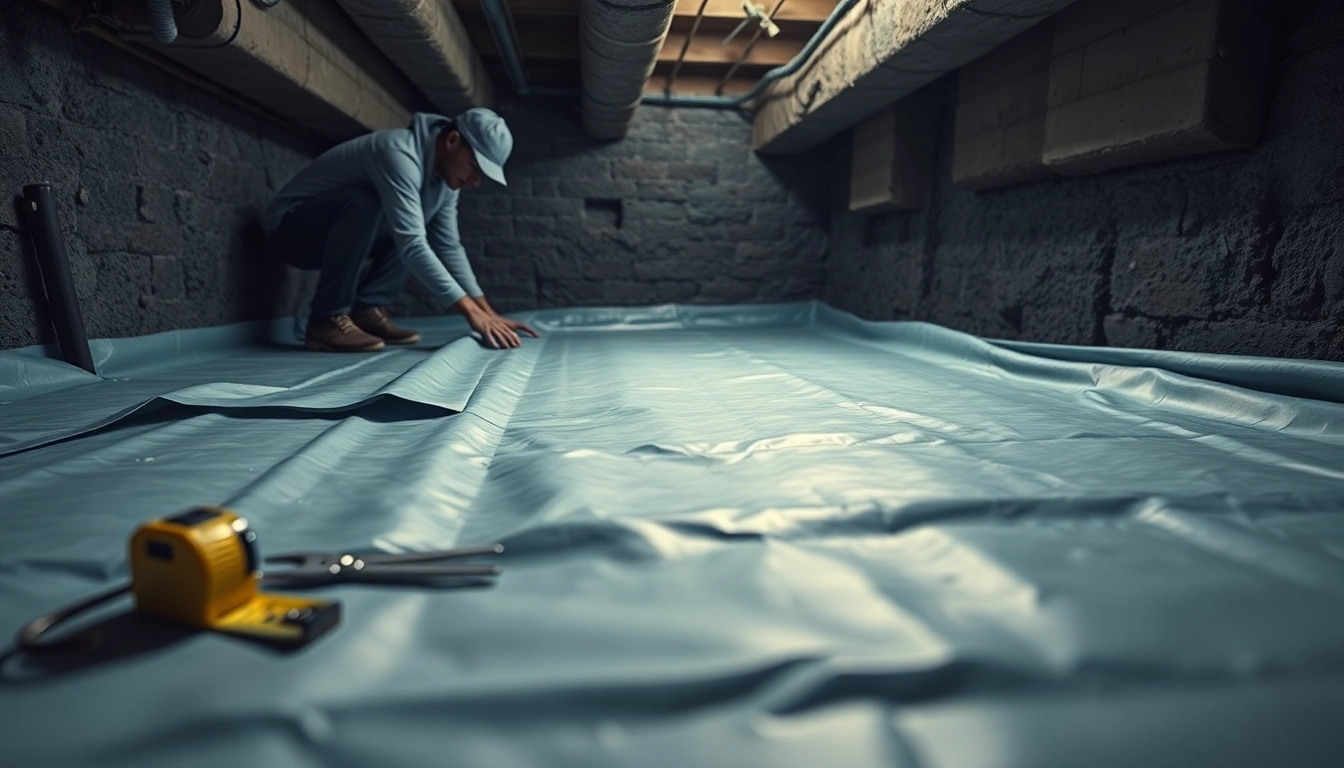
After preparing the area, it’s time to lay down the vapor barrier. Unroll the material across the entire crawl space floor, ensuring it overlaps with the walls and other seams by at least 12 inches. This overlapping is vital for preventing moisture from seeping in at the seams. Use duct tape to secure all seams and edges, ensuring that the barrier is sealed tight against the ground and walls.
Sealing and Finishing Touches
After laying down the barrier, it’s important to secure the edges and overlaps. Use a staple gun to attach the vapor barrier to the foundation walls if they are concrete, or use duct tape for other surfaces. Conduct a final inspection to check for any areas that may need additional seals or repairs. Proper sealing prevents moisture from bypassing the barrier, maximizing its effectiveness.
Maintenance Tips for Long-Lasting Results
Regular Inspections
Once the vapor barrier is installed, regular inspections are vital for maintaining its integrity. Schedule inspections every six months to a year to check for any signs of punctures, tears, or moisture accumulation. Early detection can prevent more significant issues from developing, which can be costly and time-consuming to rectify.
Addressing Moisture Issues
While vapor barriers are effective in managing moisture, they cannot fix all moisture problems. If you discover persistent dampness or mold growth, it’s critical to investigate the underlying causes, such as poor drainage or inadequate ventilation. Addressing these issues will complement the vapor barrier's function, providing comprehensive moisture control.
Repairing Damaged Barriers
If any damage to the vapor barrier is found during inspections, timely repairs are imperative. Use duct tape to patch small holes, or replace sections of the barrier if the damage is extensive. Ensure that any repairs are as seamless as possible to maintain the barrier's effectiveness against moisture intrusion.
FAQs about Vapor Barrier Installation
How long does vapor barrier installation take?
Typically, vapor barrier installation takes a few hours to a full day, depending on the crawl space size and condition.
Can I install a vapor barrier myself?
Yes, with the right tools and preparation, a homeowner can install a vapor barrier, but professional help ensures optimal results.
What materials are best for vapor barriers?
High-density polyethylene and reinforced materials are recommended for vapor barriers due to their durability and effectiveness.
Is vapor barrier installation necessary in all homes?
Homes in humid climates or with basements/crawl spaces benefit significantly from vapor barriers to prevent moisture damage.
How do I maintain my vapor barrier?
Regular inspections and repairs are essential. Ensure no punctures or tears and maintain a dry environment around the barrier.
For more in-depth guidance on how to ensure effective Vapor Barrier Installation, consider consulting with experts or resources that can offer personalized recommendations based on your specific situation.