Understanding Structural Steel Construction
What is Structural Steel Construction?
Structural steel construction is the process of creating various structural components and frameworks using steel materials specifically designed to support a building's load and withstand various stresses. As an essential element in modern architecture and engineering, structural steel serves as the backbone for different types of constructions, including skyscrapers, bridges, and large industrial facilities. The versatility and strength of structural steel allow for innovative designs while ensuring structural integrity.
From its inception, structural steel has undergone significant advancements, improving efficiencies and performance levels. One of the compelling aspects of structural steel is its fabricability; it can be pre-manufactured into various shapes and sizes, accommodating specific project requirements. With the growing demand for high-rise structures and complex designs, structural steel construction has become a focal point for construction professionals aiming for resilience and sustainability.
The Importance of Structural Steel in Modern Architecture
Structural steel plays a crucial role in modern architecture by merging aesthetic possibilities with functional demands. Its inherent properties, including high tensile strength and durability, allow architects and engineers to explore revolutionary designs that were previously unattainable with traditional materials like wood or concrete. The ability to construct tall buildings and expansive spaces with open floor plans without obstructive columns heavily relies on the adoption of structural steel.
Moreover, steel's recyclability contributes to eco-friendly building practices. As cities expand and evolve, the structural steel industry has adapted by developing methods that reduce waste and promote reusability. This approach not only supports sustainable development but also aligns with increasing regulations and community expectations regarding environmental responsibility.
Key Components of Structural Steel Systems
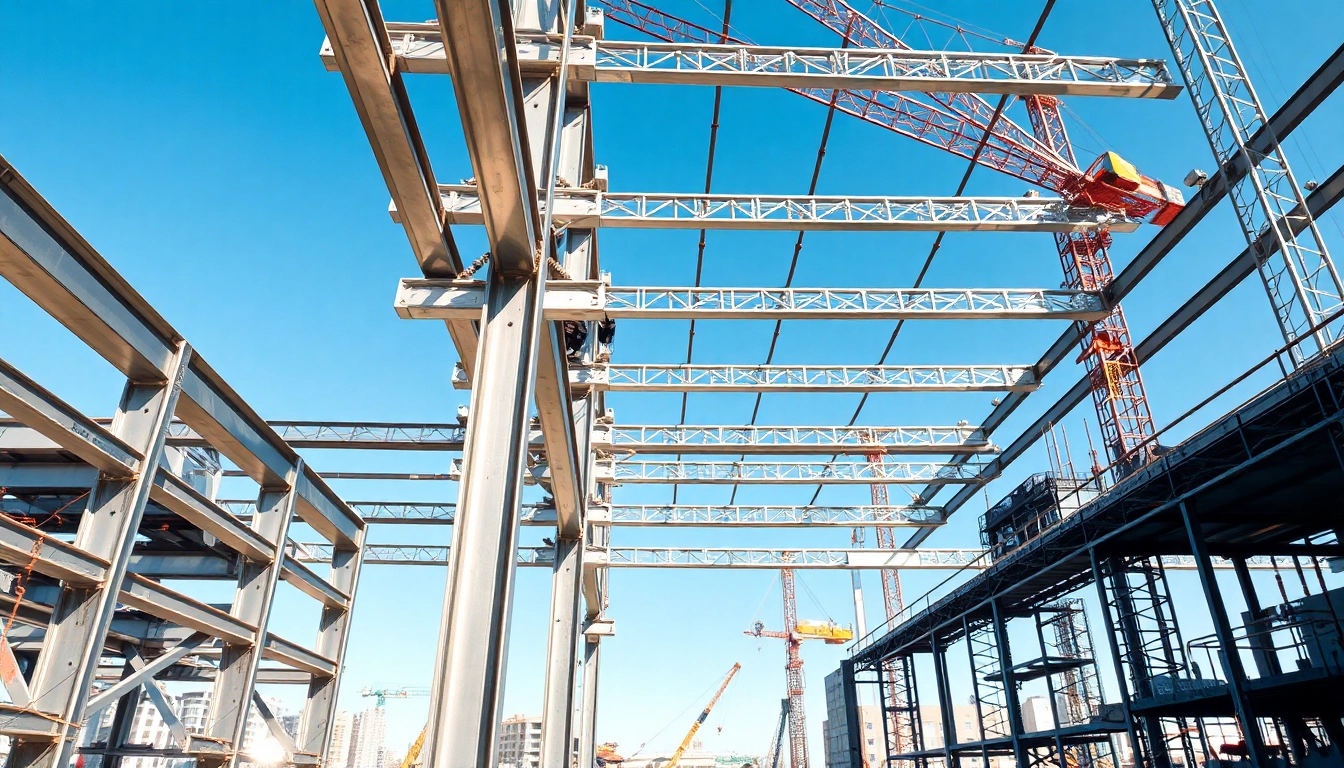
A structural steel system consists of interconnected components designed to share loads and endure various forces within a building. Key components include:
- Bearing Frames: These include columns and beams that bear weight and distribute loads throughout the structure.
- Structural Steel Plates: These plates are often utilized in bolting, welding, and connections among beams and columns.
- Steel Joists and Girders: Lightweight steel joists provide a necessary support layer for floors and roofs, while girders are larger beams that help support these joists.
- Connections: Welded and bolted connections are critical for the performance of structural steel frameworks and ensure the sharing of forces between structural components.
Innovative Techniques in Steel Construction
Latest Trends in Structural Steel Technologies
The structural steel construction landscape is consistently evolving, driven by advancements in technology and industry practices. Recently, digital modeling techniques, such as Building Information Modeling (BIM), have gained significant traction, enabling precision planning and execution. BIM assists in visualizing the entire construction process, improving coordination among stakeholders, and minimizing errors before they occur on-site.
Another trend is the integration of smart technologies, enabling real-time monitoring of structural integrity through the use of sensors embedded in steel components. These technologies feed valuable data regarding stress, temperature, and fatigue, allowing for predictive maintenance and increased safety.
Modular Construction and Prefabrication Methods
Modular construction and prefabrication are revolutionizing how steel components are manufactured and assembled. Prefabrication involves creating steel components in controlled factory settings, ensuring a higher level of quality and reducing on-site assembly time. Modular construction refers to producing entire sections of a building—rooms, or even whole floors—in sections that can be easily transported and assembled at the final site.
Both methods contribute to efficiency, environmental sustainability, and reduced labor costs while allowing clients to gain quicker access to their completed facilities. As the industry moves toward faster construction timelines, these techniques are becoming more prominent, accommodating growing urbanization and housing demands.
Advanced Welding Techniques and Their Benefits
Welding remains a pivotal process in structural steel construction, and recent innovations have introduced advanced techniques such as laser welding and friction stir welding. Laser welding is recognized for its precision and strength, enabling the creation of welds that not only enhance structural integrity but also minimize thermal distortion—a common issue with traditional welding methods.
Friction stir welding, on the other hand, is particularly advantageous for thin sheets of steel, allowing for a reliable and low-heat joining process that results in strong, lightweight structures. The shift towards these advanced welding technologies illustrates the industry's commitment to enhancing quality, safety, and efficiency in steel assembly.
Common Challenges in Structural Steel Projects
Dealing with Material Properties and Weight
While structural steel has numerous advantages, challenges related to its properties and weight can arise in construction projects. The density of steel requires careful consideration regarding transportation, handling, and installation. High-quality cranes and lifting equipment must be utilized to manage heavier steel sections, demanding skilled workers for efficient and safe practices.
Moreover, the risk of buckling and distortion due to uneven loading or environmental factors necessitates rigorous planning and analysis. Employing simulations during the design phase can significantly mitigate these risks by allowing engineers to explore stress limits and load-bearing capacities before construction begins.
Addressing Project Delays and Supply Chain Issues
Supply chain disruptions can pose significant challenges in the construction industry, especially regarding the sourcing of materials essential for structural steel projects. Managing timelines amid fluctuating demand, transportation delays, and labor shortages requires adaptive strategies and contingency planning. Companies must establish solid relationships with multiple suppliers and consider alternative materials and pre-manufactured components when faced with delays.
Additionally, the implementation of technology to monitor and manage inventory can aid in foreseeing potential issues before they escalate into project delays. A proactive approach to supply chain management will safeguard the project’s timeline and ultimately promote client satisfaction.
Safety Protocols in Steel Construction Sites
Safety in structural steel construction is paramount due to the inherent risks associated with heavy materials and specialized equipment. Establishing comprehensive safety protocols is essential for protecting workers and reducing incidents on-site. This includes regular training and updates on safety practices, personal protective equipment (PPE) usage, and emergency preparedness.
Additionally, promoting a culture of safety through regular inspections, worker involvement in safety planning, and an emphasis on accountability can contribute significantly to minimizing accidents. Implementing technology, such as drones for site assessments, also offers a new layer of efficiency and safety by reducing the need for personnel in hazardous areas.
Best Practices for Successful Structural Steel Construction
Planning and Design Considerations
Effective planning is critical in executing a successful structural steel construction project. This includes understanding the client's needs, conducting site investigations, ensuring compliance with local building codes, and coordinating with various stakeholders early in the project lifecycle. By leveraging technology such as digital modeling and project management software, the team can enhance collaboration and streamline decision-making.
Furthermore, considering future modifications and sustainable practices during the design phase will contribute to longevity and adaptability in the face of evolving societal needs. Engaging with all players—from architects to subcontractors—will foster better communication and feedback, leading to a more cohesive construction approach.
Quality Control Measures in Steel Fabrication
Establishing robust quality control measures within steel fabrication is crucial to ensuring structural integrity and reliability. Implementing quality assurance protocols such as inspection checkpoints, material testing, and adherence to manufacturing standards can prevent costly mistakes and enhance the overall performance of the steel systems. Involving third-party inspectors may provide an independent perspective on quality, ensuring compliance with industry standards and practices.
Furthermore, adopting advanced techniques like robotic welding and automated inspections can enhance the quality and efficiency of the fabrication process, ultimately leading to better-built structures.
Collaboration with Multiple Stakeholders
Collaborative efforts among various stakeholders—including architects, engineers, general contractors, and clients— are pivotal to the success of any structural steel project. Early stakeholder engagement ensures alignment on design objectives, timelines, and budget constraints, which can significantly minimize conflicts and changes during construction.
Utilizing collaboration tools and platforms that allow for real-time information sharing further aids in keeping all parties informed and involved in the progression of the project. Emphasizing open lines of communication fosters trust and promotes a unified approach to problem-solving throughout the project lifecycle.
Measuring Success in Structural Steel Construction
Project Management Metrics for Steel Structures
Implementing metrics to evaluate the performance and success of structural steel projects is essential for continuous improvement. Commonly utilized metrics include the cost variance, schedule performance index, and quality control compliance rates. These indicators not only track project efficiency but also inform future projects by highlighting areas for enhancement.
Additionally, using Key Performance Indicators (KPIs) specifically tailored to the structural steel sector—such as fabrication lead times, cycle times, and incident rates—ensures that companies can effectively measure their overall performance against industry standards and benchmarks.
Client Satisfaction and Performance Evaluation
Client satisfaction is paramount in any construction project, and gathering feedback throughout the process is vital in evaluating performance. Regular check-ins with the client and actively seeking their input can help address concerns and adapt plans in real time. Post-project evaluations should focus on how well the initial objectives were achieved, using client feedback to assess both deliverables and the overall experience.
Incorporating this feedback into future projects enhances a company's reliability and reputation, leading to increased business through referrals and repeat clients. Establishing a formal feedback loop can build long-lasting relationships and foster a culture of quality and improvement.
Future-Proofing Your Structural Steel Practices
As the construction industry faces rapid changes, future-proofing structural steel practices becomes essential. This involves staying abreast of emerging trends, technologies, and regulatory changes that could impact construction. Investing in training and upskilling the workforce ensures that teams can adapt to new challenges and remain competitive.
Moreover, integrating sustainable practices into operational frameworks will not only comply with regulatory trends but also resonate with growing public consciousness regarding environmental impact. Emphasizing innovative and responsible engineering solutions will ensure that structural steel practices remain relevant and successful in the face of evolving market demands.