
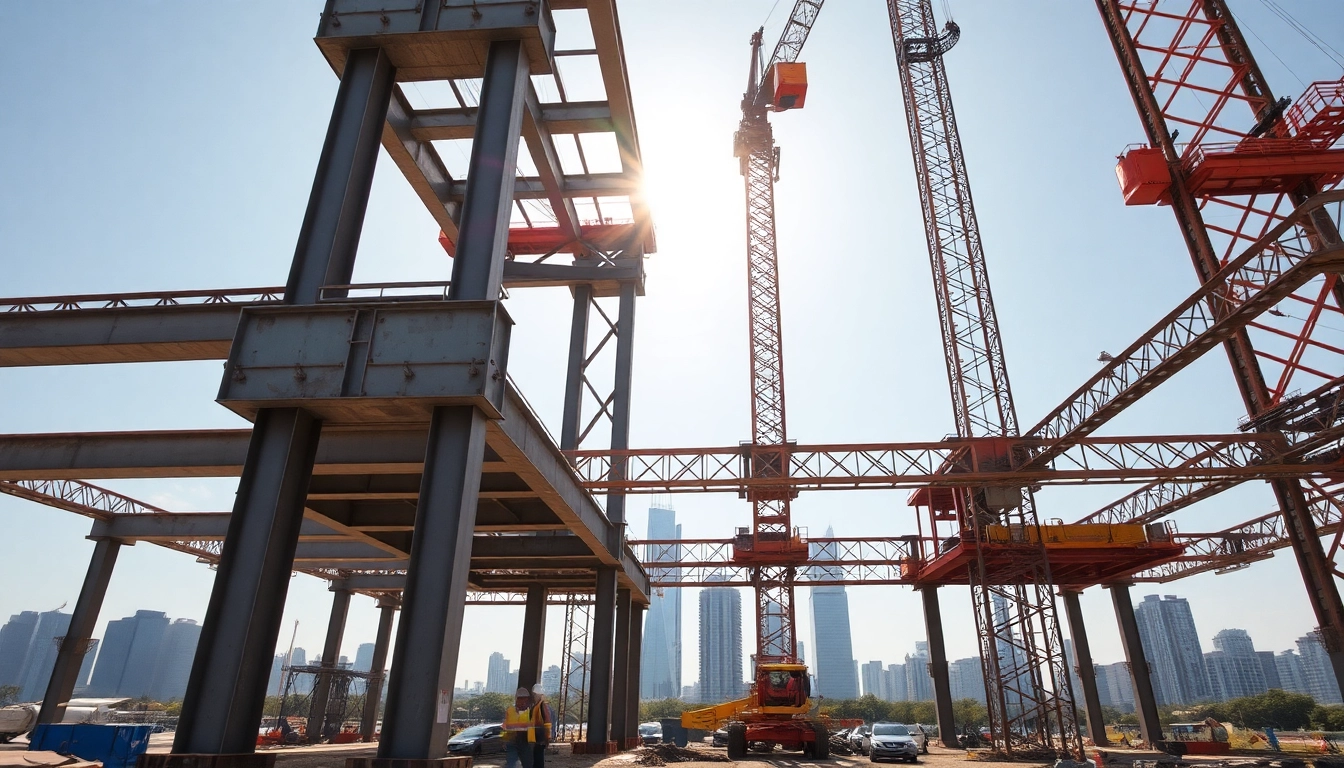
Introduction to Structural Steel Construction
Definition and Importance
Structural steel construction refers to the method of using steel as a primary material to build the framework of various types of structures. Its significance cannot be overstated; it serves as the backbone of modern architecture, enabling the construction of resilient, stable, and flexible buildings. From skyscrapers to bridges, structural steel construction has consistently demonstrated its capacity to meet the demands of contemporary engineering challenges and aesthetic aspirations.
Historical Context and Evolution
The history of structural steel dates back to the Industrial Revolution when advancements in ironwork led to the first steel structures. The use of iron in construction transitioned seamlessly into the adoption of structural steel in the late 19th century. The iconic Eiffel Tower, completed in 1889, stands as a testament to the capabilities of steel architecture. Over the years, technological improvements in steel production, such as the Bessemer process, have enabled the creation of stronger and more versatile steel grades, enhancing its application in construction projects worldwide.
Why Choose Structural Steel?
Choosing structural steel construction offers numerous benefits, primarily due to its unparalleled strength-to-weight ratio, durability, and ability to withstand extreme conditions. Moreover, the integration of structural steel allows for quicker construction timelines, lowering labor costs and expediting project completion. Additionally, its sustainability can contribute positively to the environment, making it an ideal choice for forward-thinking projects. When evaluating the options for building materials, the advantages of structural steel construction often become evident in their performance and lifecycle cost efficiencies.
Advantages of Structural Steel Construction
High Strength-to-Weight Ratio
One of the most distinguished characteristics of structural steel is its high strength-to-weight ratio. This means that steel can bear substantial loads without requiring excessive material, thereby reducing the overall weight of support structures. This capacity allows architects and engineers to design lighter, more elegant structures that maintain safety and functionality. Furthermore, the reduced weight translates to savings in foundation costs and materials without sacrificing durability.
Speed of Construction
Time efficiency is critical in construction projects, and structural steel excels in this regard. The prefabrication of steel components in factories allows for a parallel construction process, meaning that while foundations are being laid, the steel frames can be built offsite. Upon arrival at the construction site, these elements can be quickly assembled, often resulting in a faster timeline to completion. This speed not only increases project efficiency but also minimizes labor downtime and overall costs.
Design Flexibility and Versatility
Structural steel offers unparalleled design flexibility because it can be fabricated in various shapes, sizes, and configurations. Modern technologies like computer-aided design (CAD) and computer numerical control (CNC) allow for intricate designs that are both functional and visually appealing. This versatility enables architects to push the boundaries of traditional building shapes, leading to groundbreaking and innovative structures.
Common Types of Structural Steel Used
Welded and Bolted Sections
In structural steel construction, two primary joining methods are utilized: welding and bolting. Welded sections create continuous, seamless connections between steel components, which can enhance the integrity of the overall structure. On the other hand, bolted sections provide a more flexible assembly, allowing for quicker adjustments and disassemblies when necessary. Both methods have their contextual applications based on design requirements, environmental conditions, and project timelines.
Shapes and Sizes of Structural Steel
Structural steel is manufactured in various shapes and sizes, each serving specific purposes in construction. Common shapes include beams (I-beams, wide-flange beams), channels, angles, and plates. The choice of shape and size affects the load-bearing capabilities and the overall aesthetics of the structure. Understanding these variations is crucial for architects and engineers to select appropriate materials that will ensure both safety and design objectives are met.
Comparison of Steel Grades
Steel comes in various grades, each defined by its chemical composition and mechanical properties. Common grades include A36, A992, and A572. For instance, A992 is widely used for steel wide-flange beams, given its superior strength and ductility. Each grade offers different properties that cater to specific applications; thus, a comprehensive understanding of these materials is essential in making informed decisions regarding their use in structural steel construction.
Construction Techniques for Structural Steel
Assembly Methods
The assembly of structural steel includes several techniques designed to ensure integrity and safety. These may involve both field and shop assembly practices, with significant emphasis placed on alignment, leveling, and securing. The choice between these methods often depends on the site conditions and the overall design of the project. Ensuring proper execution during the assembly phase is critical to avoiding issues down the line.
Safety Practices on Site
Safety is paramount in any construction project, particularly when working with heavy materials like steel. Implementing stringent safety practices, including regular training, safety audits, and proper use of personal protective equipment (PPE), is essential. Additionally, adhering to regulatory guidelines provided by organizations such as OSHA (Occupational Safety and Health Administration) enhances the safety of workers and ensures compliance with standards.
Inspection and Quality Assurance
Ensuring the quality of structural steel components is vital. Regular inspections, both during production and construction, help detect any flaws that could compromise the structure’s safety. Techniques such as non-destructive testing (NDT) play an essential role in quality assurance, allowing engineers to identify issues without damaging the material. Establishing a reliable quality assurance protocol fosters trust and confidence throughout the construction process.
Future Trends in Structural Steel Construction
Sustainability and Eco-friendly Practices
The construction industry is witnessing a significant shift towards sustainability, and structural steel construction is no exception. Strategies such as using recycled steel, minimizing waste during production, and adopting energy-efficient practices are becoming increasingly prevalent. Sustainable steel buildings contribute to reduced carbon footprints, further enhancing the industry’s reputation for responsible manufacturing and construction.
Technological Innovations in Steel Construction
Emerging technologies such as Building Information Modeling (BIM) and advanced manufacturing processes are transforming structural steel construction. BIM allows engineers and architects to create 3D models that facilitate enhanced planning, coordination, and execution of steel projects. Furthermore, innovations like 3D printing and automation in manufacturing processes promise to revolutionize the production and assembly of structural steel components, leading to new efficiencies.
Challenges and Opportunities Ahead
While there are numerous advantages to structural steel construction, challenges persist, including fluctuating steel prices and supply chain disruptions. These factors necessitate proactive strategies and adaptive management in project planning. Conversely, the push for smarter, greener construction methods presents opportunities for growth and innovation within the industry. By focusing on collaborative partnerships, continuous research, and development, stakeholders in structural steel construction can effectively navigate future challenges and capitalize on emerging trends.